Inside the Processing Plant: How Precision Equals Performance
Season 1, Episode 10 
Inside the Processing Plant: How Precision Equals Performance

Before our seed reaches your planter, it passes through an intensive process designed to protect its integrity, consistency, and performance. In this episode of Renk Seeds of Innovation, Max and Brett Renk sit down to bring listeners into the seed processing plant, walking through what happens between harvest and planting season.

From cleaning, sizing, and grading, to seed treatments, Brett explains how each step is engineered to remove risk and protect seed quality, giving growers like you more confidence in the seed you plant. As they mention, seed processing isn’t about being “good enough.” It’s about managing every variable so you can walk into planting season knowing it’s the highest quality of seed built to weather even the most challenging conditions.

As the conversation comes to a close, Max and Brett reflect on why seed processing at Renk Seed is more than just equipment and technology. It’s a responsibility shared by the team. Because at Renk, putting our name on the bag means standing behind every seed that goes into the ground.

The Seed Production Process at Renk Seed: A High-Level Flowchart

As a review, from Episode 7: Seed Craftsmanship – Producing Seed That Farmers Can Trust, Steps 1 – 6 were discussed. Here’s how corn seed goes from field to storage bin at Renk Seed.

1. Planting the Parents

  • Start by planting rows of female and male corn plants (usually four rows of females to one row of males).
  • Use checklists to get everything right—depth, moisture, and keeping the rows straight matter a lot!
  • Specific planting windows to ensure correct pollination.
2. Pollination Time

  • Male plants provide the pollen; females are there to receive it.
  • Good pollination is the goal—without it, yields drop fast.
  • Inbred parent plants are fussier and yield less than regular corn, so every detail counts.
3. Detasseling

  • Remove tassels (the “male parts”) from female plants so they don’t pollinate themselves.
  • Timing is key: too early or too rough and the plants get hurt; too late and you risk self-pollination.
  • First, machines cut and pull most tassels. Then, people walk the fields to catch what was missed.
4. Harvesting the Ears

  • Harvest is done before the corn fully matures, with ears picked while still moist (not dry grain!).
  • Every ear matters—if one drops, someone runs out to pick it up!
5. Husking and Drying

  • Remove husks from the ears so air can
    get in.
  • Slowly dry the ears using low heat and
    lots of airflow (no rushing—gentle is best
    for seed!).
  • Takes a few days to go from about 40% moisture down to 11%.
6. Shelling and Storage

  • Once dry, gently shell the kernels off the cobs.
  • Store the seed in temperature-controlled bins, keeping everything cool and dry.

In episode 9: Inside the Processing Plant – How Precision Equals Performance, Max and Brett discuss Steps 7 – 9. This is how the loose grain moves from the storage bins into a bag, then onto your acres.

7. Cleaning and Sorting

  • Sort out any bad or off-type seeds. Nothing wasted—some go for cattle feed.
  • Clean the good seeds until they’re ready for the next step.
8. Treating the Seed

  • Apply protective treatments to the seed. This adds a touch of moisture back, so starting dry is important.
9. Bagging and Shipping

  • Finally, the seeds are bagged up and sent to farmers, ready for planting next season!

Think of it like a relay race: each step hands off to the next, and every detail along the way adds up to the quality in every bag of Renk seed.

Listen to the full episode on whichever streaming platform you prefer.

Proven Performance: How We Select the Right Seed for Your Acres

Season 1, Episode 6 
Proven Performance: How We Select the Right Seed for Your Acres

combine tractor in corn field

Harvest brings more than just bushels and waiting for the grain cart—it brings data. In this episode, Max Renk is joined by familiar voices Karl Bobholz and Alex Renk, as well as Renk Seed’s corn breeder, Bruce Nagel, to explore how we use plot results and breeding trials to shape the products that make it into your fields.

The Renk team breaks down the reasons why a single plot isn’t enough, how regional and stress-year data drive smarter long-term decisions for your acres, and how attributes like soil type, fungicide response, and tillage practices factor into the selection process. Bruce shares an inside look at our in-house breeding program with thousands of hybrids evaluated each year and the winter nurseries in Mexico that speed up our testing and product development.

Finally, the conversation turns to silage: how we evaluate tonnage, digestibility, and starch to build the Solid Choice lineup, and why consistency across environments and stressors matters more than one-year wonders.
From the Field to the Future: Turning Plot Data into Better Crops
When it comes to crop breeding and seed selection, nothing beats real-world data from the field. At Renk Seed, our team is passionate about leveraging plot trials across a wide range of locations and years, turning raw data points into the best possible products for farmers. Here’s how those conversations and insights from our recent team’s podcast transcript translate into actionable knowledge for growers—and why plot data matters more than ever.

Why So Many Plots?
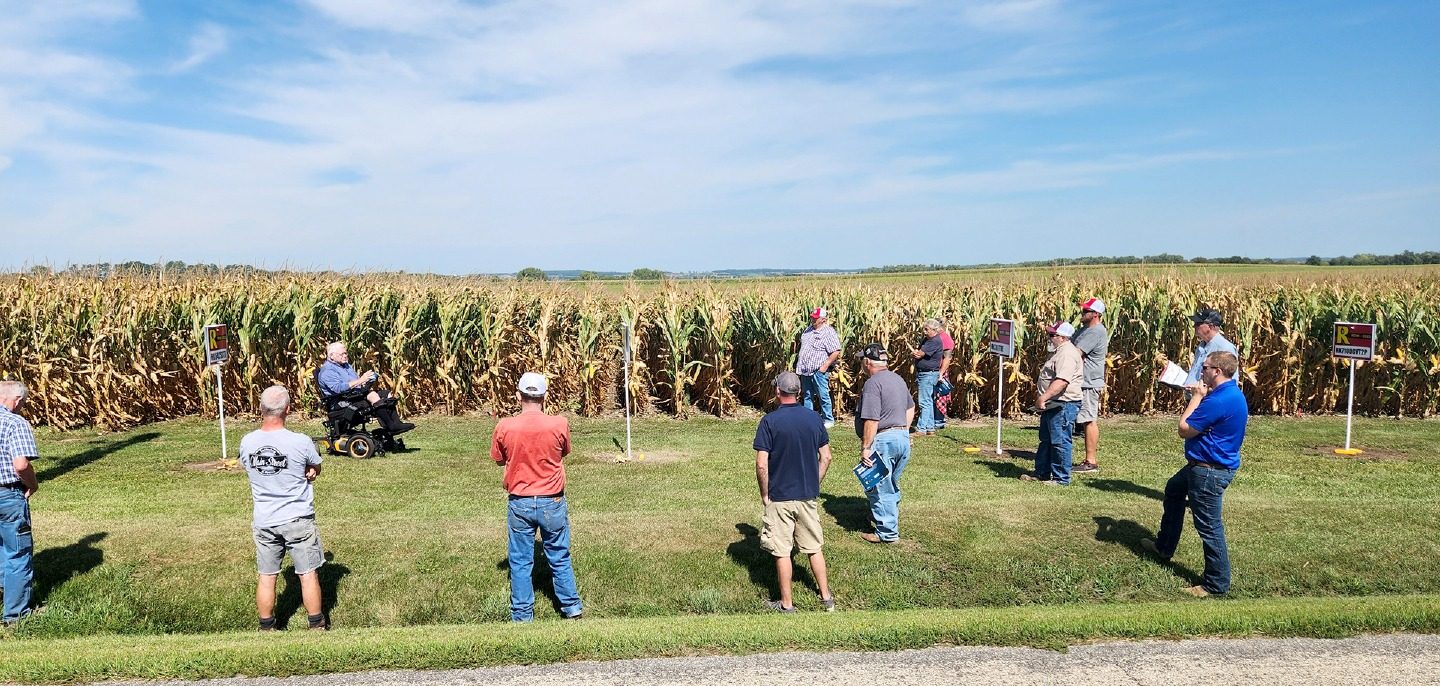
Every field is unique, even when soil types and environments seem similar. That’s why our team emphasizes the need for many plots, in many locations, year after year. One year’s stress might be followed by a bumper crop, and consistent performers across locations are the real superstars. As Alex Renk puts it, “Once you see a lot of plots and varieties are consistently popping up to the top, then you know you have consistency.”

Once you see a lot of plots and varieties are consistently popping up to the top, then you know you have consistency.

Karl Bobholz adds that locations are just “dots on the map,” but each provides crucial data. More data points mean more reliable conclusions, letting us see how products perform under all kinds of conditions—including those that Mother Nature throws at us unexpectedly.

field day

What Are We Looking For?
The process is rigorous. On the soybean side, much of the breeding and testing happens out west, while corn research spreads across the entire Corn Belt. Each product must prove itself against tough checks—top-performing hybrids and commercial lines—before it moves forward.

Bruce Nagel, head of our research team, explains that new hybrids are tested for three or four years before ever reaching potential commercialization. Out of thousands of initial candidates, only a handful make it through. And, even then, they still must perform for a few years in Renk’s test plots before being brought to market. “If it’s not beating our checks, if it’s as good, that’s not good enough. So it’s a pretty tight cut.” he says.
From the data standpoint, data is king.

Collecting—and Using—Better Data
One thing that sets Renk Seed apart is how we handle all this information. Dealer plots, research plots, F.I.R.S.T. trials, state trials—they all go into a database, treating every location as a unique data point. This allows us to do head-to-head, regional, and multi-year comparisons. As Alex notes, “From the data standpoint, data is king.”

But it’s not just yield, test weight, and moisture. Karl highlights the importance of plot attributes: Was a fungicide used? What was the fertility program? What’s the tillage method? These details allow us to match products more precisely with a grower’s unique environment.

The data is readily available on the Renk Seed website. We are transparent in our data and hope it provides insight for growers to choose the best product for their acres.

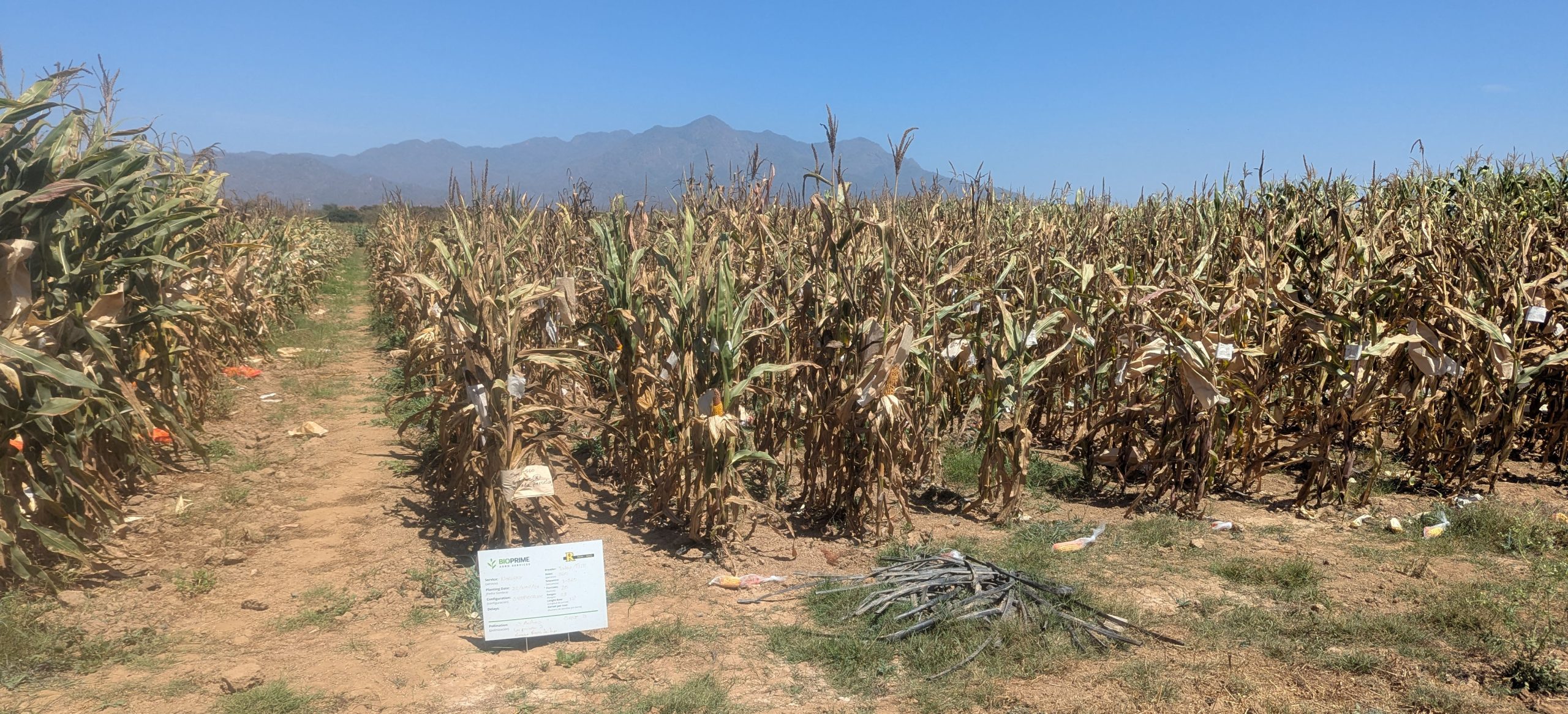
mexico research plot

Breeding: A Long Game
Breeding new hybrids isn’t fast—it can take six or seven years from initial crossing to commercialization. Winter nurseries in Mexico and summer nurseries in the Midwest accelerate the process, but every new inbred is rigorously tested and compared to the best available genetics.

Yield is always a focus, but so is resilience. Products must bring substantial yield gains and improved agronomics—like disease resistance or standability—before making the cut. “It has to bring another six bushels on top of what we’re doing already,” Karl explains for his corn benchmarks, and it must compete with industry leaders.
Bringing It Back to the Farm
With all this data, the big question is: How does it help farmers pick the right product for their fields? Renk’s plot maps and results are publicly available, letting growers see not just regional averages but results from fields like theirs. Consistency and local adaptation are the keys—products must perform well across a wide footprint, not just in one “lucky” location.

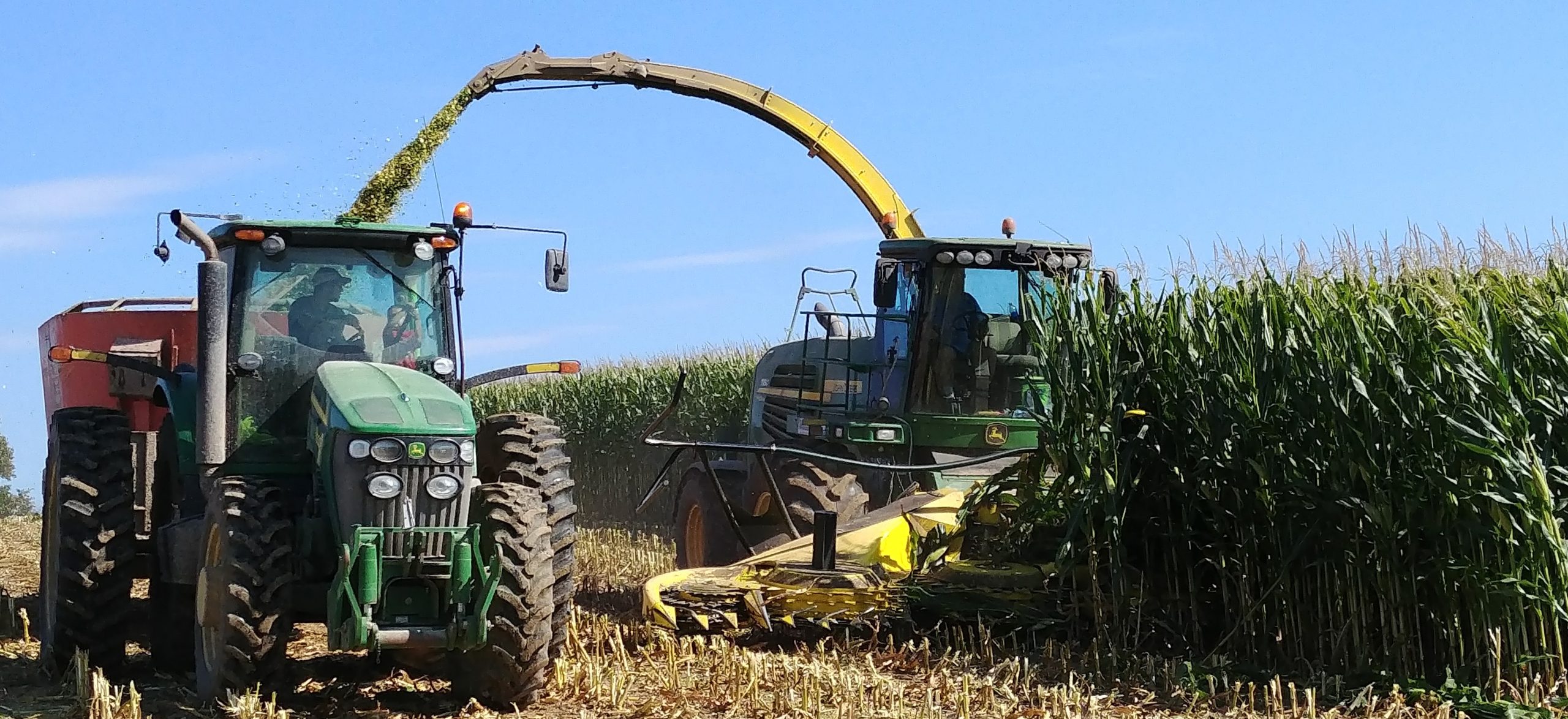
silage harvesting

Silage and Beyond
It’s not just about grain. Internal silage data and third-party trials help identify dual-purpose hybrids suited for livestock operations. The goal: products that deliver on tonnage, both fiber and starch digestibility, and yield. If the corn meets these requirements, then we brand it with our Silage Choice logo.
silage choice

Responding to Real-World Challenges
Sometimes it’s not the high-yielding plots that matter most, but the high-stress ones. Plots hit by drought, wind or disease reveal which products have the resilience to survive and still deliver. As Karl says, “If we can take out some risk for the grower, that is where we win as a seed brand.” While Alex explains for soybeans, “If you have a plot where only one [soybean variety] is showing up as white mold, that’s a big red flag. Because we don’t want to see white mold, period.”

If we can take out some risk for the grower, that is where we win as a seed brand.

The Takeaway
Behind every Renk seed brought to market there are years of research, data collection, and tough decisions. By focusing on consistent performance, detailed plot attributes, and real-world stress testing, Renk Seed is committed to providing farmers with products that work for their unique acres—today, and for seasons to come.

No post found

smart post preloader

No post found

No post found

smart post preloader

No post found

smart post preloader

No post found

smart post preloader

No post found

smart post preloader

No post found

smart post preloader

No post found

No post found

smart post preloader

No post found

smart post preloader

No post found

smart post preloader