Season 1, Episode 9 Stories Across the Midwest: Five Farmers on 2025 Harvest and Challenges
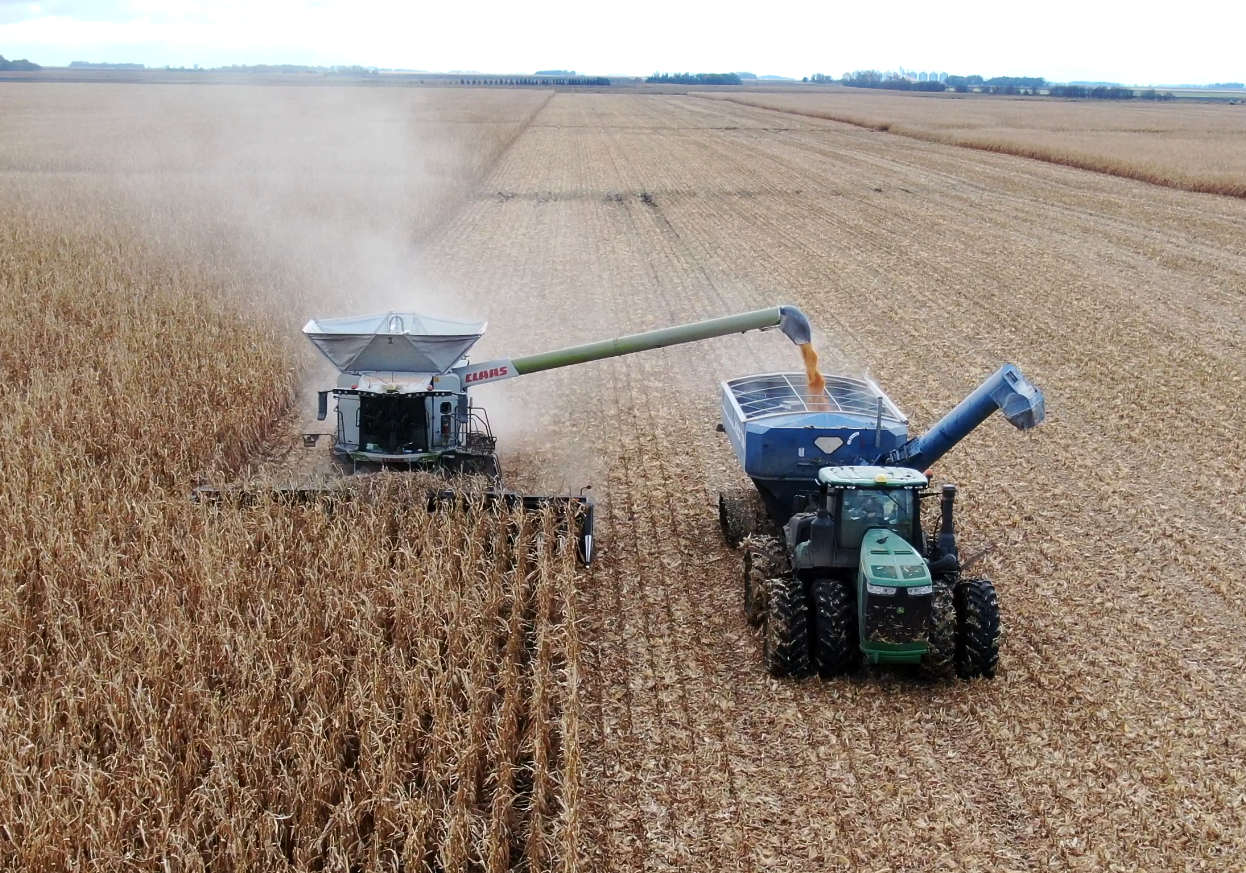
These farmers saw it all: from tornado damage and heavy rains to top yields, hail recovery, and stories of how communities rally together at harvest. Max sits down with five growers across the Midwest to capture their real, raw stories from the 2025 growing season.
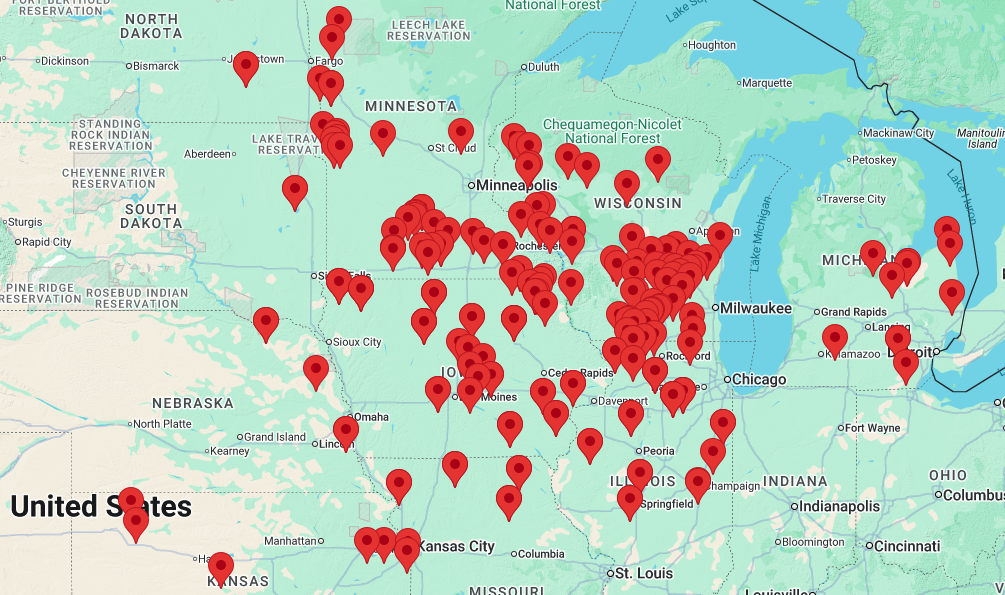
Join us and Marty, Robbie, Kyle, Tom, and Joe for conversations centered around what this year taught us, how it challenged us, and what farming looks like across state lines in Wisconsin, Minnesota, Michigan, and Iowa. As we turn the microphone over to men out in the fields each day—both Renk growers and dealers—we see that no two farms or seasons are ever the same.
Together, their stories show us just how unpredictable and resilient farming is—and how people are at the center of it all.
What was your expectation going into this past year’s crop growing cycle? What was the reality? Dear Reader, does your story involve severe climate challenges, perhaps an animal “gone wild” or maybe even disease pressure tolerated by your wise seed choice? Let’s take a quick look at what our host, Max Renk, found out when he checked in with five of our farmer-dealers to hear their unique stories.
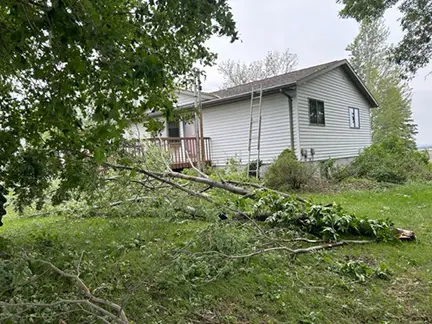
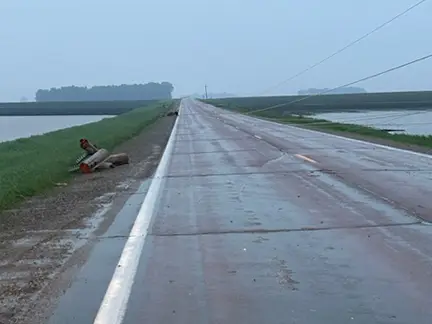
Marty Luther Max spoke with Marty Luther from Gillett, WI, which is northwest of Green Bay. Marty’s seen a lot of growing seasons in his life and shares just how much mother nature influenced his crop outcome this year. In his lifetime, Marty moved about 1 mile from the old house to the new house. Relatable? Find out what happened when his family land was visited by a tornado this summer. You’ll hear not only how his family fared, but also what happened with his crop in the end.
Robbie Uhlenhake Robbie Uhlenhake, professionally farming for over two decades in Northeast Iowa, has a raccoon story post-harvest that sums up how ag life can turn on a dime. One minute you are on top of the world because despite disease pressure from Southern Rust you pull off one of your top 3 or 4 yields. Then the next minute you find a raccoon shot through the combine at the end of your harvest.
Kyle Kedroske Kyle Kedroske, a Kewaskum, WI native, just enjoyed his first full solo year as a Renk Seed dealer who sold both corn and beans. Kedroske’s infectious enthusiasm for farming allows him to cultivate relationships. We find out from him just how important those relationships are when you find yourself in a bind at the end of harvest with the finish line in sight.
Tom Smaglinski Over in Port Hope, MI, Tom Smaglinski is proud to farm with two of his sons and has been a Renk dealer for over three decades. His upbeat story has a punchline about a competitor’s seed in his test plot that even our marketing department could not have scripted!
Joe Serbus Joe Serbus is an active member in his ag community and a professional crop adjuster. Find out how his expertise helped shape his decisions after a hailstorm in early June severely damaged both his corn and bean crop. Plus, he recalls a similar event from his childhood and compares yields from then to now.
While their stories are unique to them, we know every farmer has a story or knows one about a neighbor from each growing season. Let’s keep the conversation going! Share your story with us on one of our social media channels: FB, Insta, X or LinkedIn. And, listen to the full episode on whichever streaming platform you prefer.
Season 1, Episode 8 Harvest Insights: Lessons, Data, and Disease Takeaways from 2025
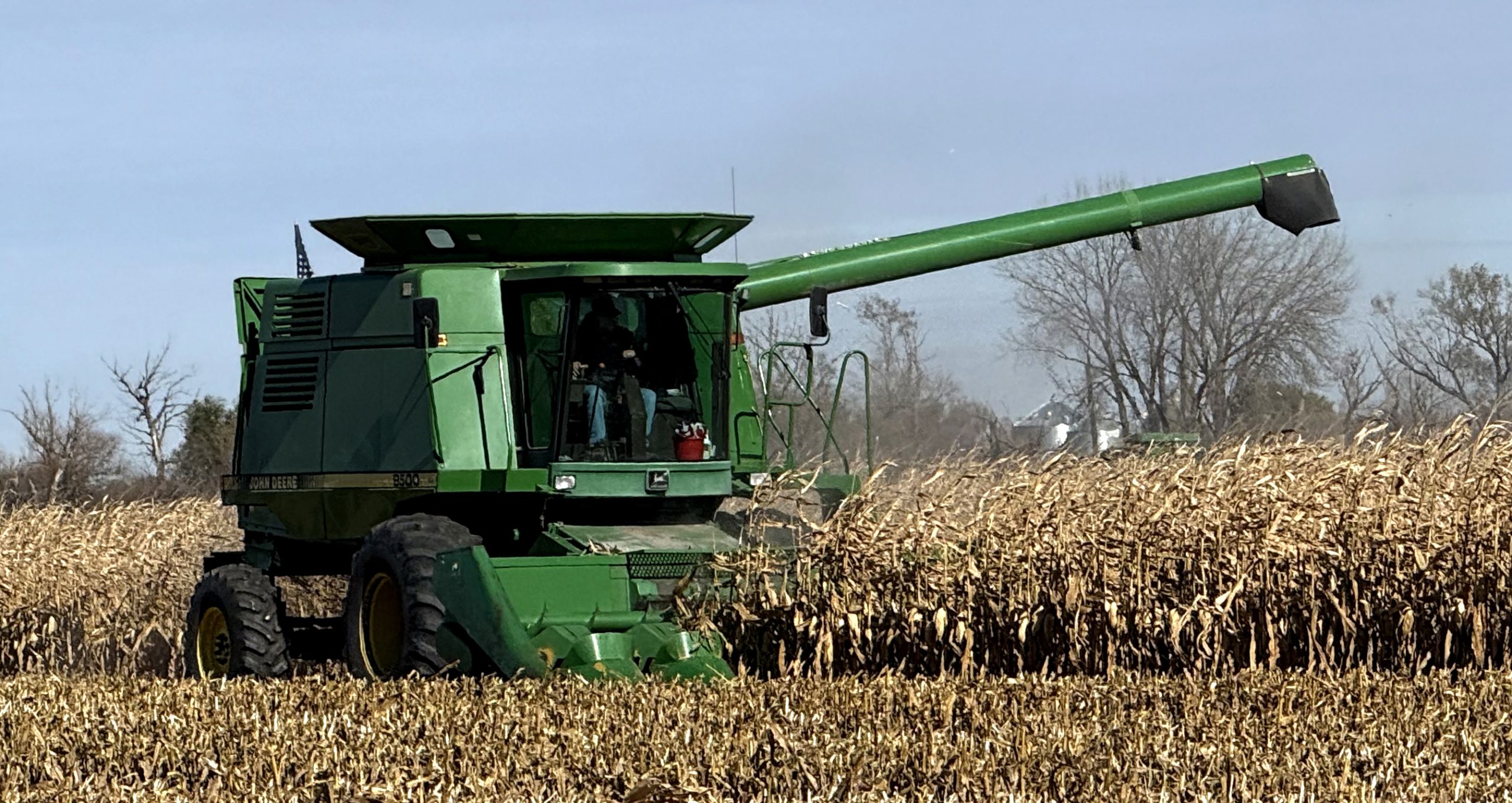
The 2025 growing season is wrapping up but the learning never stops here at Renk Seed. In this episode of Renk Seeds of Innovation, Max Renk is joined by Karl Bobholz, Alex Renk, and Jeff Renk to share what they saw across the Corn Belt this year.
As Alex mentioned, “this year was all about top-end yield,” while last year was all about stress. And together, they tell the story of what stable genetics can really do.
From Southern Rust and Sudden Death Syndrome to nitrogen management and emerging biologicals, the Renk team breaks down the wins, surprises, and lessons shaping seed performance. They also unpack what plot data reveals about hybrid performance, product selection, and stress-year testing—and how we can turn these insights into smarter decisions for your acres in 2026.
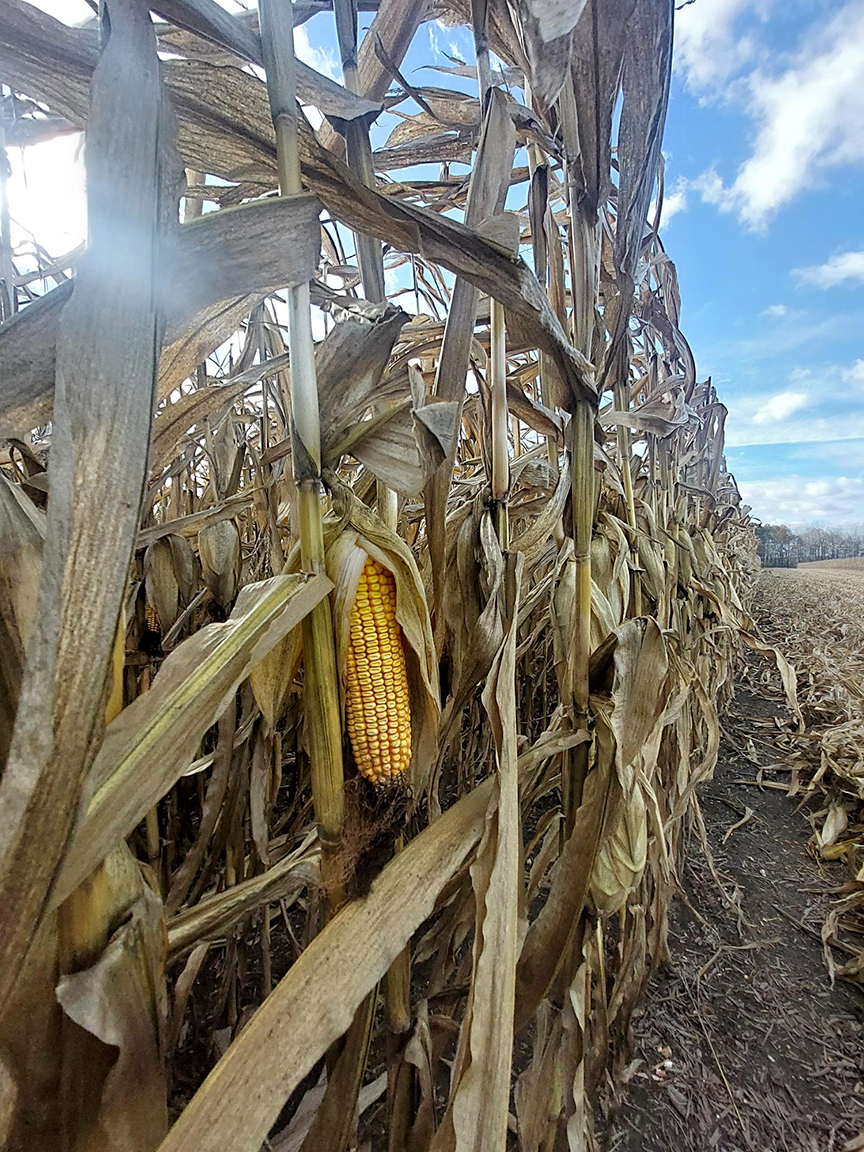
A Season of Stability—With a Few Surprises This year, many Midwest growers experienced what could be called a “normal” season, with less weather drama than previous years. However, there were notable disease outbreaks—Southern Rust and Tar Spot—especially in the Corn Belt. Karl noted that fungicide timing made all the difference: fields sprayed too early ran out of protection, while products like RK773TRE and RK8585TRE stood out for their disease resilience and yield in trials. Another new product, RK4545AV, shows strong promise in Wisconsin and Minnesota.
...fungicide timing made all the difference: fields sprayed too early ran out of protection, while products like RK773TRE and RK8585TRE stood out for their disease resilience and yield in trials.
Disease Pressure and the Importance of Timing Jeff recounts his “windshield farming” travels across the region, observing that disease was the year’s defining story. Additionally, he calls for urgency in harvesting the crop in a timely manner given the large crop hanging on the stalks. The main advice: “Get it in before it’s on the ground.”
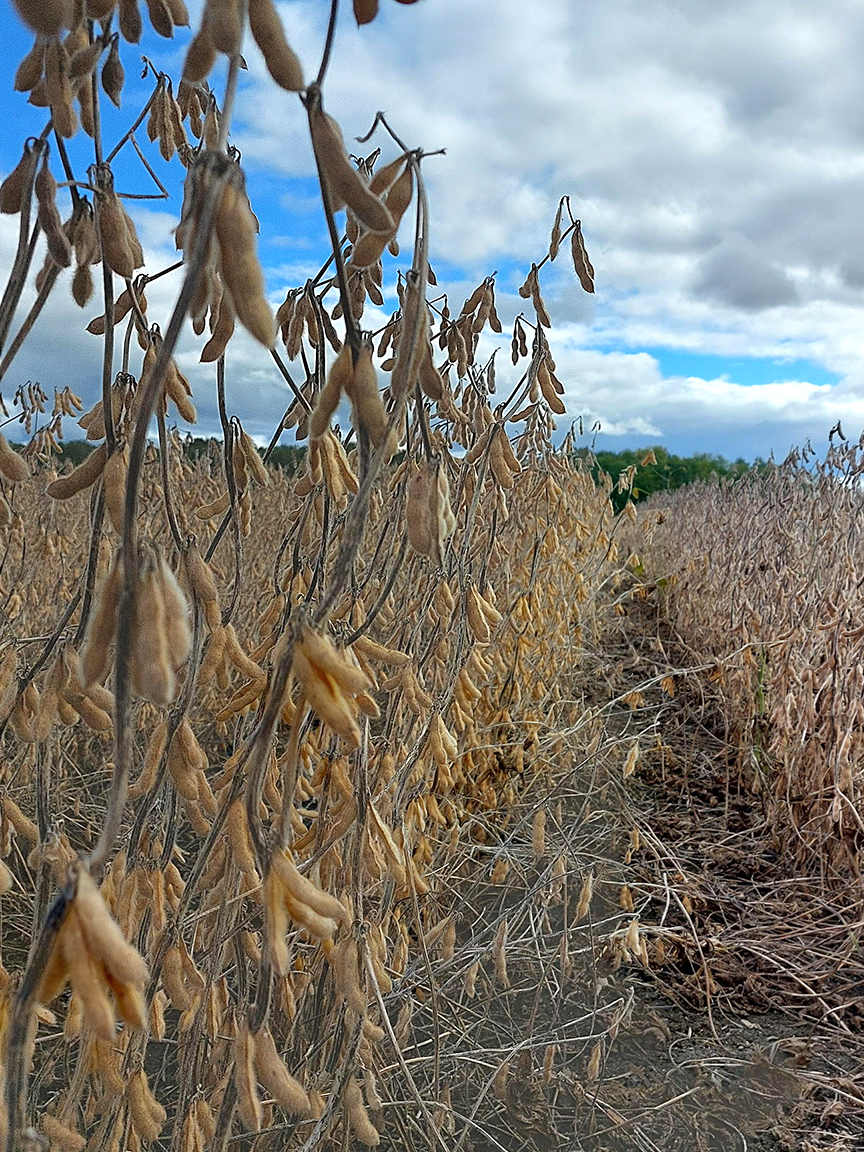
On the soybean side, Alex recounted high rainfall resulting in solid yields—some topping 100 bushels—but sudden death syndrome (SDS) arrived late to remind everyone that not all varieties can overcome every challenge. Curiously, white mold was less of an issue, likely due to a hot and wet summer, an environment in which the fungus doesn’t thrive.
Karl and Jeff emphasized that both the timing and method of fungicide application were critical.
Lessons in Fungicide Application and Nitrogen Management Karl and Jeff emphasized that both the timing and method of fungicide application were critical. Many growers sprayed early to protect their best fields, but this left them exposed later in the season. Equipment limitations and reliance on custom applicators resulted in not all acres receiving timely treatment. Spray drones, while promising for targeted rescue applications, aren’t a full replacement for ground or aerial rigs—especially when large acres are at stake.
Nitrogen management also played a role, with some growers cutting back due to rising costs. This added stress to the plants, leading to more stalk issues. We can all agree that balancing input costs and plant health is a delicate act.
Plot Data: Two Years, Two Extremes Looking at plot data, Alex and the team emphasize the importance of comparing products across both stressful and high-yielding years. Last year’s stress tested genetic resilience; this year’s favorable conditions revealed yield potential. Combining both datasets helps identify varieties that are not only top performers but also reliably stable—ideal for building a robust lineup for growers.
Product Selection: Balancing Yield, Disease, and Grower Needs The team agreed that product selection is about more than just chasing the highest yield. Disease package, stress tolerance, and fit for specific environments all matter. Renk Seed’s decision to keep or cut a variety depends on consistent performance across years and growing conditions, as well as, the practicalities of storage and production.
Breeding and Genetics: Learning from History Jeff and Karl discussed the long game in breeding—great hybrids emerge only every five to ten years. DroughtGard®, for example, became a staple because it delivered both stability and yield, particularly in challenging conditions. The lesson: look for products that perform not just in good years but also when times are tough.
...look for products that perform not just in good years but also when times are tough.
Beyond Seed: Value-Biological Innovation Karl shared some behind-the-scenes research into biological seed treatments and their potential to unlock soil fertility and reduce input costs. Early data is promising, but repeatability and consistency are key before recommending these products broadly. The team is also evaluating how such treatments impact disease resistance, particularly for stalk rot.
Key Takeaways for Growers
Scout and Act: Monitor fields for disease and harvest in a timely manner to prevent losses.
Fungicide Strategy: Prioritize correct timing and coverage, avoid relying solely on new tech like drones for large-scale application.
Genetic Diversity: Choose your seed from products proven effective over multiple seasons and various stress environments.
Input Management: Balance cost-saving measures with the need for plant health and resilience.
Stay Curious: Follow ongoing research into biologicals and other value-added practices that may soon benefit your operation.
Final Thoughts Every season offers new lessons. By combining plot data, field observations, and a willingness to try new approaches, both Renk Seed and our growers are better positioned for success—whatever next year may bring.
For more insights and updates, follow Renk Seeds of Innovation.