A Generational Legacy: The Johaneks Balance Evolving Tech & Grounded Family Values
Season 2, Episode 3 
A Generational Legacy: The Johaneks Balance Evolving Tech and Grounded Family Values

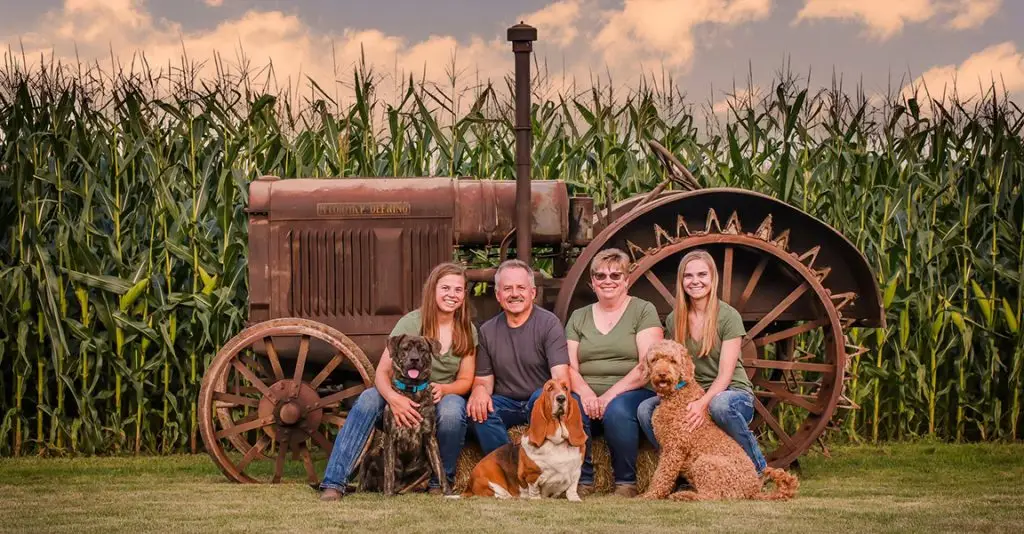
For more than a century, the Johanek family has owned and operated a dairy near Green Bay, Wisconsin. They have grown from a small 50-cow dairy into a 500-cow operation managing nearly 2,000 acres, all while building a trusted reputation as longtime Renk Seed dealers and continuing a family legacy largely passed down through the women of the family. In this episode of Renk Seeds of Innovation podcast, Max sits down with father-daughter duo Mark and Alyssa Johanek to discuss the realities of multi-generational farming, balancing tradition with innovation, and preparing the next generation to lead.

What makes their story compelling isn’t just their longevity, but how they’re redefining what it means to be a modern farm family.

Johanek family

A Farm Rooted in History
Mark and Alyssa Johanek represent two generations working side by side. Mark and his daughters, Alyssa and Ariel, are taking on different roles that keep the wheels turning.

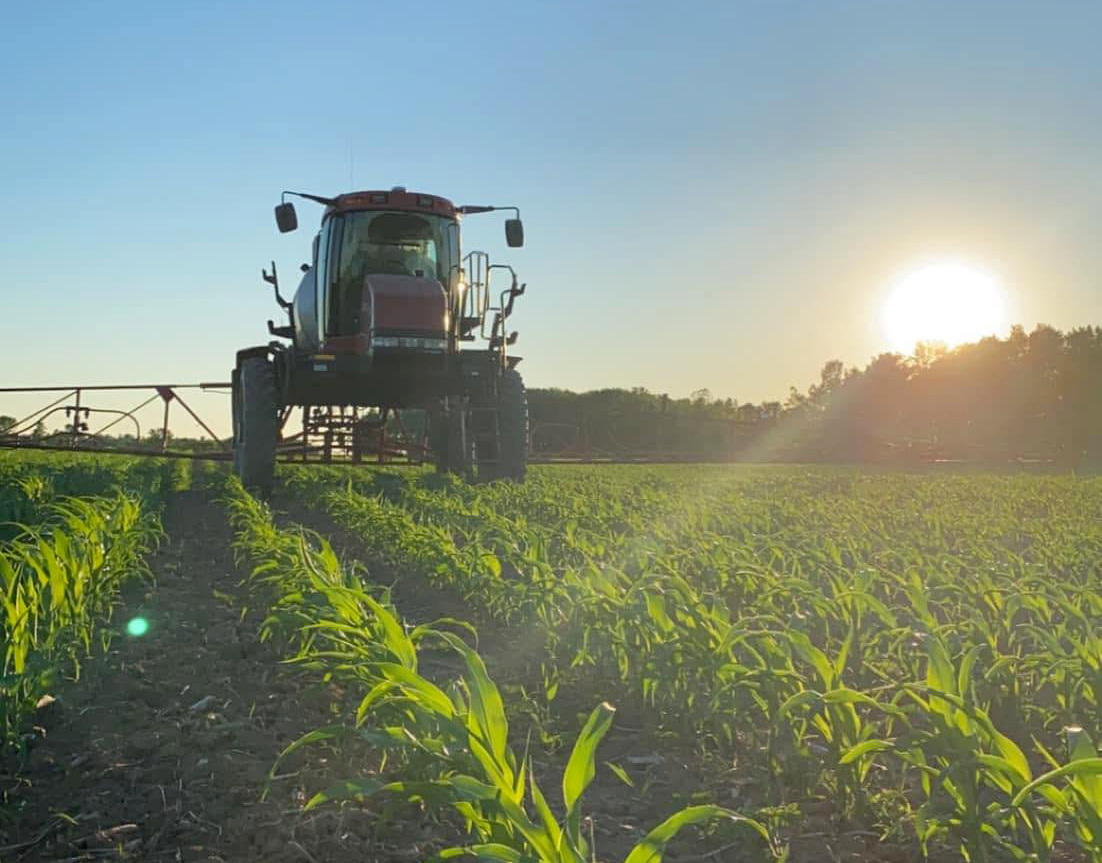
Alyssa grew up on the farm but never felt pressured to stay. Her passion for animals and machinery drew her back, and she’s now taken over much of the herd management and crop spraying, bringing new energy and fresh ideas to the operation. “It’s a lifestyle,” she says, describing how her responsibilities have grown over time.

It’s a lifestyle.

Tradition Meets Technology
Like many family farms, the Johaneks have had to adapt to changing times. What sets them apart is how they’ve embraced innovation without losing sight of their roots. Over the past few years, Alyssa has introduced GPS technology to their equipment, improving efficiency and reducing fatigue during long planting seasons. But the real game-changer has been the farm’s adoption of an activity monitoring system for their cows—a tiny bolus that tracks each cow’s health, temperature, and movement in real time.

It’s just another tool in the toolbox.

This tech allows the family to spot issues early, improve breeding outcomes, and make better management decisions. “It’s just another tool in the toolbox,” says Alyssa, emphasizing that while technology helps, it never replaces the hands-on knowledge passed down through generations.

johanek sprayer

Passing the Torch
One of the most insightful moments is the discussion of generational transition—a challenge for many farms today. Mark recalls starting with 50 cows in a stanchion barn, growing steadily over the years, and facing tough choices about land and labor. Mark is beginning to step back, giving Alyssa and Ariel more leadership in the operation. “I went through enough problems running my life while getting a larger land base. Now that’s there for them.”

Alyssa, for her part, is eager to continue the legacy, hoping to build a new barn and eventually pass the farm on to her children. “We’ve made it six generations. I’d like to give my kids that opportunity in the future.”

We’ve made it six generations. I’d like to give my kids that opportunity in the future.

The Power of Community
The Johaneks’ story is also a testament to the strength of rural communities. Whether it’s hosting Breakfast on the Farm events for thousands of visitors or volunteering with local fire and ambulance services, they’re committed to bridging the gap between farm and city. As fewer Americans grow up on farms, these connections—and the willingness to educate—are more important than ever.

Looking Ahead
When asked about the future, both Mark and Alyssa see continued evolution. Robotic dairies and smarter equipment are all on the horizon. But the core values remain the same: hard work, adaptability, and a deep respect for the land and animals.

Their advice for the next generation? Get involved, find what you love, and don’t be afraid to bring new ideas to the table. Because on this Wisconsin dairy farm, innovation is just another word for family tradition.

Want more stories about the innovative families shaping the future of agriculture? Subscribe to the Renk Seeds of Innovation podcast and follow along as we celebrate the people in agriculture.

You can find us on one of our social media channels: FBInstaX or LinkedIn. And, listen to the full episode on whichever streaming platform you prefer.

The Earfull June 8, 2026

Drone Application in Agriculture: Where Timing, Efficiency, and Opportunity Meet
Season 2, Episode 2 
Drone Application in Agriculture: Where Timing, Efficiency, and Opportunity Meet

Drone technology is quickly becoming a bigger part of agriculture, but its real value comes down to how it performs in the field.

In this episode of Renk Seeds of Innovation, Max sits down with farmers and drone users Ryan and Matt, along with drone application business owner and operator Michelle, to discuss what drone application looks like in practice. From getting started and navigating the learning curve, to managing acres and building out service-based operations, they share firsthand experiences using drones across different setups.

As the conversation unfolds, they highlight where drones are creating real advantages, especially when it comes to timing, flexibility, and efficiency during critical application windows. At the same time, they also touch on the realities of the technology, including limitations, logistics, and the details that go into doing the job right.

What Are Drones Doing on Farms?
Drones are changing the way farmers care for their crops. Instead of relying only on big machines or manual labor, drones can spray fields, monitor plant health, and even help plant cover crops—all with increased precision and flexibility.

“Aerial is going to be your best coverage in making sure you get that propwash and get everything pushed down into the canopy. And, really get that dispersion of the product” professes Michelle Bork, Renk Seed District Sales Manager and Drone Application Specialist.

Aerial is going to be your best coverage...

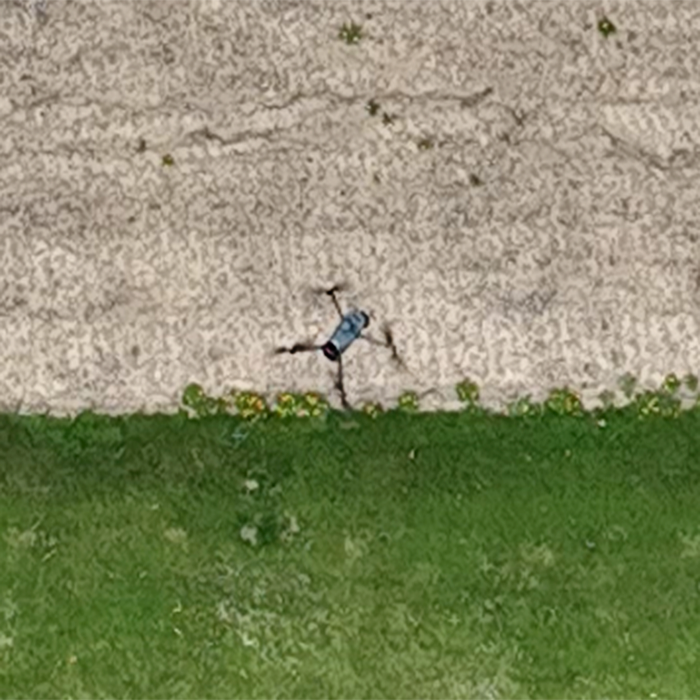
overhead of drone

How Drones Make a Difference

  • Efficient Spraying: Drones can quickly cover fields, reaching areas that are hard for tractors, helicopters or planes to access.
  • Flexible Applications: Weather not cooperating? Drones can be deployed on short notice, making them a handy backup.
  • Data Collection: With cameras and sensors, drones provide up-to-date information about crop health.

“The biggest efficiencies we’ve gained is just the timing.” Matt Hatcher, Terraplex Great River owner continues to explain, “[We’re] able to get in when we want to do it and be the most effective with our application.”
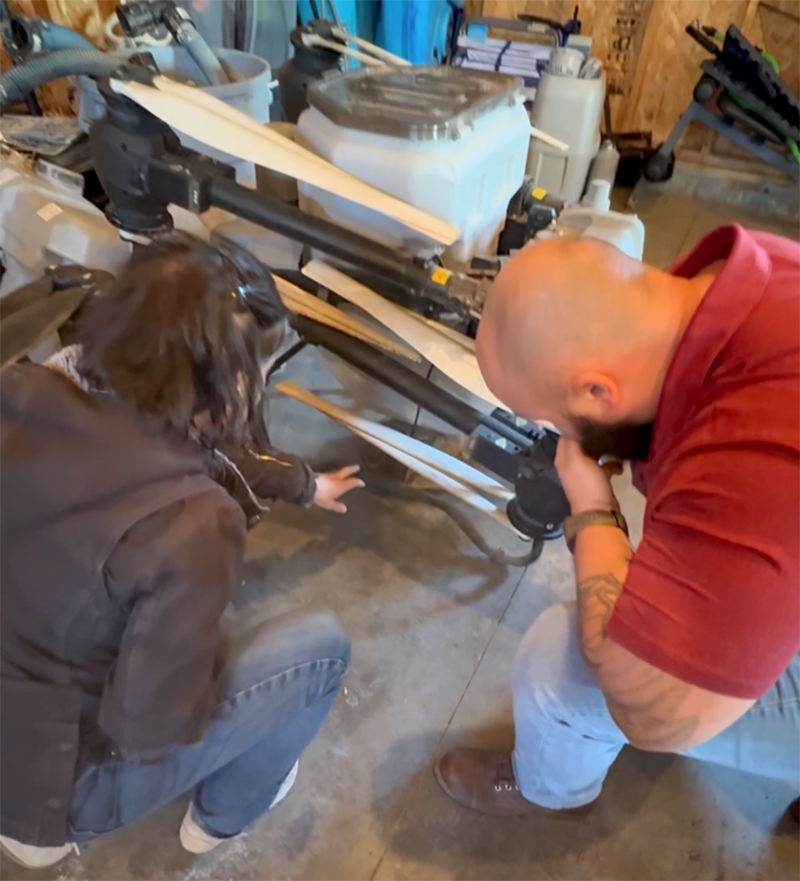
[We’re] able to get in when we want to do it and be the most effective with our application.

Michelle Bork and Max Renk with drone

Getting Started
Starting with drones might seem overwhelming, but many farmers share that it’s easier than it looks. Michelle’s family bought their first drone at a farm show, and now they operate a whole fleet! Ryan and Matt followed an operator around their own operation the first year and then decided to try their hand at it. Now, Matt runs a Terraplex dealership for eastern Iowa that is focused on both sales and service.

Ryan Oberbroeckling shares how their drone involvement has evolved, “At first, just buying the drones, doing the application yourself. And then we evolved a couple of years later.” He continues, “Terraplex asked us if we wanted to be the eastern side of Iowa, the sales and service, so we agreed to that.”
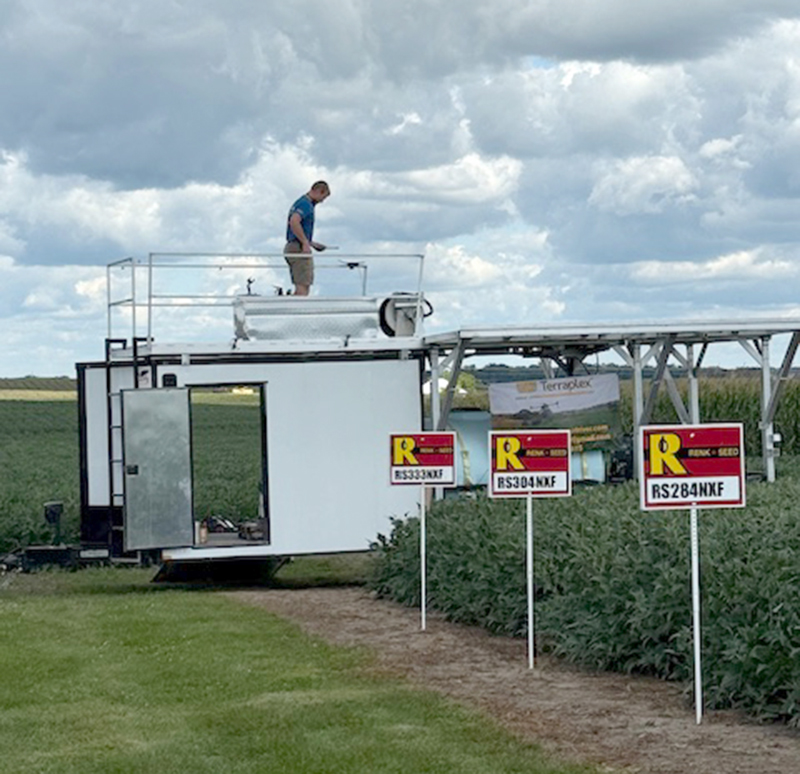
Ryan O at field day with drone

Tips from the Field

  • Check local regulations, especially near airports
  • Network with other farmers when flying drones on their acres to share tips
  • Start small and grow your fleet as you gain confidence

Looking Ahead
Drones are becoming more advanced every year, with features like heavier payloads and more precise application. While challenges remain, such as weather and legal restrictions, the benefits are clear.

There are opportunities out there beyond just the row crop applications of the drones.

“There is, also, opportunity from a custom applicator side.” Matt Hatcher goes on to say, “There are opportunities out there beyond just the row crop applications of the drones.”

Already in the drone space? Share with us your story. Ready to see how drones can help your farm grow? Join the movement and explore what’s possible!

Thanks to Ryan Oberbroeckling, Matt Hactcher, and Michelle Bork for sharing their expertise. Catch the full conversation on the Renk Seeds of Innovation Podcast anywhere you listen to podcasts.

No post found

smart post preloader

No post found

No post found

smart post preloader

No post found

smart post preloader

No post found

smart post preloader

No post found

smart post preloader

No post found

smart post preloader

No post found

No post found

smart post preloader

No post found

smart post preloader

No post found

smart post preloader