The Earfull July 13, 2026
When Corn and Soybeans Start Making Their Own Weather
In a lot of areas, the air does not just feel hot. It feels heavy. Part of that is the weather pattern itself, but part of it is the crop. As corn and soybean canopies move large amounts of water from the soil, through the plant, and out into the air, they help create the sticky field conditions many scouts are walking into this week.
That matters because a hot, humid stretch is not only a comfort issue for people in the field. It is also a real test of how efficiently plants can keep moving water, keep tissues cool, and hold reproductive timing together as corn reaches tassel and soybeans edge deeper into flowering.
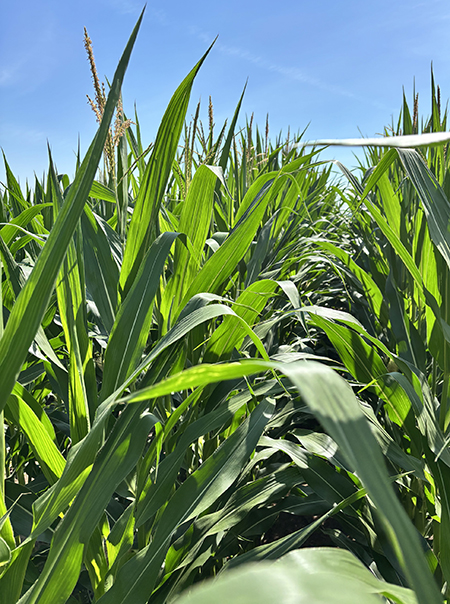
Corn is entering the key window
The main agronomic issue is not simply that highs may reach around 95-100 degrees. The bigger issue is that much of the crop is entering pollination, with some acres just beginning pollen shed and others likely several days into it. The forecast favoring above-normal temperatures across most of the country can be impacted by this growth stage. Here’s why.
Corn has one main way to manage heat: move water. When soil moisture and root function are still adequate, the plant can keep transpiring, which helps cool the canopy and supports continued silk growth and pollen movement. When that water pipeline starts to tighten, the plant shifts quickly from managing heat to conserving moisture, and that is when stress becomes more visible in the field.
This helps explain why two fields with similar calendar dates can respond very differently in the same weather pattern. Deeper soils, stronger rooting, and more even early-season development can give one field enough buffer to move through a hot week with modest impact, while lighter ground or compacted areas may begin to roll early, shorten silk growth, and raise concern about kernel set.
Humidity is an important part of this story. High humidity can reduce atmospheric demand compared with a hot, very dry wind event, but it also reflects how much water the crop is already pushing into the air. In other words, the same humidity that makes the day feel oppressive can also be a sign that the crop is working hard to cool itself.
The practical question is whether fields can keep that cooling system running through pollen shed. If plants still have access to moisture, the crop can often ride through several warm days. If moisture supply slips, especially on lighter soils or in uneven parts of fields, stress can show up first in delayed silk emergence, extended leaf rolling, and greater variability from one ear to the next.
What to watch during pollen shed
This is a good week to shift scouting from general appearance to reproductive function. A field can still look decent from the road and be less synchronized than expected once you move beyond the ends and start checking tassels, silks, and plant response through the middle of the day.
A few checks matter right now:
- Confirm actual pollen shed timing by field instead of relying on tassel visibility alone. A field that has tasseled is not necessarily shedding uniformly yet.
- Watch how early leaf rolling begins and how long it lasts. Brief afternoon rolling is different from leaves tightening by late morning and holding most of the day.
- Check silk emergence across multiple management zones, especially lighter soils, compacted areas, and places that ponded earlier in the season.
- Pay attention to warm nights. Limited nighttime recovery can leave plants starting the next day with less margin than they had before.
A useful way to describe this week’s risk is this: heat by itself is not automatically a yield loss story, but heat during pollen shed can become one quickly if it overlaps with uneven moisture supply or weak silk progression. That is why this stage deserves more than a windshield check.
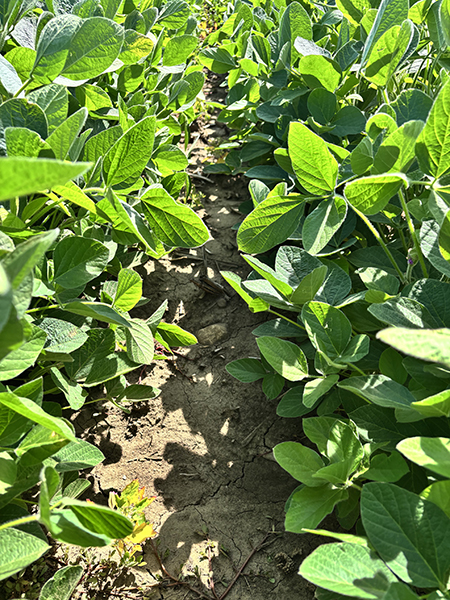
Soybeans are helping create the humidity, too
Soybeans are not at the same make-or-break stage as pollinating corn, but they are still part of the heat story. Many bean fields are building canopy, moving into flowering, and transpiring heavily, which contributes to the damp, heavy air many people are noticing around productive fields.
This does not mean soybeans are carefree under these conditions. If moisture remains available, beans can usually handle short stretches of heat better than corn and still retain strong yield potential. But warm nights, dense canopies, and prolonged humidity can raise respiration costs and increase the chance that disease risk starts to build in fields with a history of foliar pressure.
Soybeans also remind us why broad crop ratings only tell part of the story. A statewide number can look stable while individual fields differ sharply based on planting date, canopy closure, weed competition, compaction, and rainfall luck over the last few weeks.
Field reality over headline reality
Markets have been reacting to weather concerns, and forecasts continue to keep traders focused on the pollination window. That attention makes sense, but the best agronomic read this week still comes from separating field classes by actual stress response instead of by headline intensity.
References
- Purdue University Extension. (2022). Heat Stress and Drought Considerations for Corn.
https://extension.entm.purdue.edu/newsletters/pestandcrop/article/heat-stress-and-drought-considerations-for-corn/ - Iowa State University Extension and Outreach. (2025). Corn pollination: effect of high temperature and stress.
https://crops.extension.iastate.edu/encyclopedia/corn-pollination-effect-high-temperature-and-stress - Michigan State University Extension. (2020). Moisture stress and high temperature effects on soybean yields.
https://www.canr.msu.edu/news/moisture_stress_and_high_temperature_effects_on_soybean_yields
The Earfull June 8, 2026
How’s the Weather…
Last week, I attended a meeting where Eric Snodgrass spoke. If you are unfamiliar, Eric manages ag-wx.com and a daily YouTube channel. I use his website and watch a lot of his videos to hear trends that are happening in weather and what these trends might lead to. Yes, that is a recommendation from me for you to check him out if you haven’t already. As a result of my trust in him, I wanted to share his insights from the meeting in this week’s Earfull.
El Niño has become one of the biggest weather headlines this year. But, the headline itself is not really the main thing that matters for us. What matters more is how the summer pattern actually sets up and whether it keeps giving us chances for rain as we move deeper into June and July.
There has been plenty of dramatic language around El Niño already, and that will probably continue. But from a practical standpoint, growers are usually better served by watching the pieces of the pattern that have a better chance of affecting their acres directly. This is where the conversation gets more useful, especially as we head toward the heart of summer.
For our area, there are three things worth watching a little closer right now. The first is moisture in the Mid-South, especially down around the Memphis area. The second is where the Bermuda High wants to set up. The third is the broader upstream pattern, including what is happening around the Gulf of Alaska.
Those three areas are not as flashy as a national weather headline, but they can tell us a lot about how the pattern may behave from here. If they line up in a workable direction, the central U.S. has a better shot at staying in a more functional rhythm. If they do not, it gets easier for heat to take control and for rainfall chances to become more scattered.
Area one: Memphis area moisture
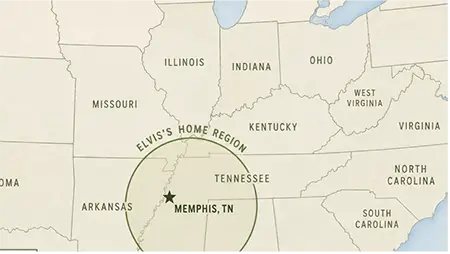
The first thing to watch is moisture in the Mid-South, especially in that corridor around west Tennessee and eastern Arkansas
That area may seem a little removed from our backyard, but it can still be an important signal for how the broader central U.S. pattern behaves.
When there is moisture in that region, it brings potential for better rainfall opportunities to keep moving through the system. It does not guarantee a favorable stretch. However, it usually gives the atmosphere a little more room to stay active rather than shutting down completely.
When that region turns dry, the pattern can get tough in a hurry. That is when the risk grows for more stubborn heat, fewer meaningful rain chances, and a season where missed rains start to matter more. In years when the margin is narrow, that is a signal worth paying attention to.
This is one reason why July weather is usually more about pattern support than any single storm. It is not always about whether a rain event shows up once. It is about whether the setup keeps creating enough chances to keep the crop in a workable position.
Area two: Bermuda High
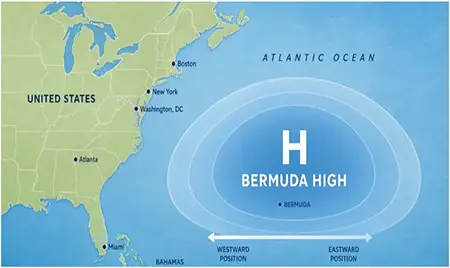
The second piece to watch is the Bermuda High. It does not always come up in everyday farm conversation, but it is one of the major summer features for the eastern half of the country.
If the Bermuda High pushes farther west, it can favor more heat and a less active setup across the East and Southeast. That kind of pattern can create more resistance and make it harder for the middle of the country to keep a healthy weather rhythm going.
If it stays farther east, there is usually a little more breathing room in the pattern. This tends to allow fronts and systems to move more naturally, which can help keep the central Corn Belt from turning stagnant too early.
That does not mean the Bermuda High decides the whole season by itself. But it is a feature that can quietly tilt the odds one direction or the other, and it is worth watching as we move into the hotter part of the calendar.
Area three: Upstream pattern
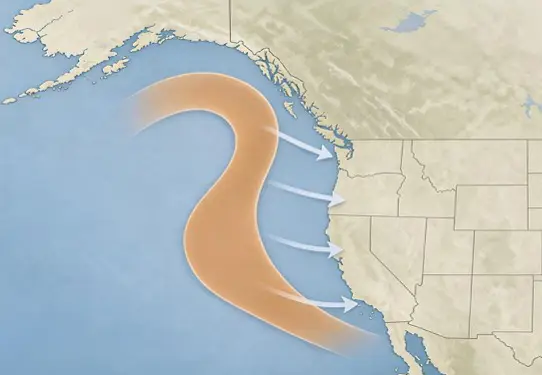
The third area to keep an eye on is the upstream pattern, especially around the Gulf of Alaska. It is not the kind of region most people talk about first when discussing Midwest weather, but it helps shape the broader North American flow.
If the setup in that part of the pattern favors stronger ridging, that can eventually work its way downstream and increase the risk of hotter and less forgiving conditions. “Ridging” is an area of relatively highly atmospheric pressure that has been extended from an elongated area. If the flow stays more progressive, it can help keep the overall pattern more active and gives us a better chance at repeated opportunities for rain.
This is the part that matters most. By the time we feel a weather pattern in July, some of its fingerprints may have already been set well upstream. Paying attention to those early clues can sometimes tell us more than a headline ever will.
So, yes, El Niño will keep getting the attention, and that is understandable. But for practical purposes, the better focus is probably simpler: watch moisture around the Memphis area, watch where the Bermuda High sets up, and watch the upstream pattern around the Gulf of Alaska.
Those three clues may end up telling us more about how summer behaves than any dramatic weather headline. They are not guarantees, and they do not decide the season on their own, but they are good places to keep watching as the summer pattern starts to take shape.
You can dig into much more on ag-wx.com as Eric’s site is a wealth of insights and information to stay on top of the number one conversation piece in the ag circles… how’s the weather.
References
- Eric Snodgrass, High Impact Meteorology, Bayer Seed Partner Meeting. www.ag-wx.com
- NOAA Climate Prediction Center said El Niño was likely to emerge soon in May-July 2026 and continue through winter 2026-27.
https://www.cpc.ncep.noaa.gov/products/analysis_monitoring/enso_advisory/ensodisc.shtml - The Bermuda High is a key summer weather feature for the eastern United States and its position can strongly affect heat, humidity, and storm tracks. https://site.extension.uga.edu/climate/2014/06/what-is-the-bermuda-high/
The Earfull June 1, 2026
Post-Emergence Spraying in the Heat
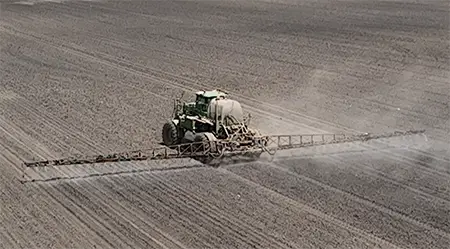
As we move into the main post-emergence spraying window, the forecast is lining up more like July than late spring. The combination of rapidly growing crops, fast-emerging weeds, and 90-degree afternoons is where post passes can either shine or stumble.
This week’s focus is on post-emergence herbicide timing in corn and soybeans and what to watch when applying glyphosate, sulfonylurea products, contact herbicides, and growth regulator herbicides in hot conditions.
Timing Still Wins
The best post-emergence pass is still about timing: hitting weeds when they are small and staying inside crop stage cutoffs.
- Aim to spray most broadleaf and grass weeds when they are 1 to 4 inches tall.
- Performance drops quickly once weeds get larger, especially under hot or dry conditions.
- Stay within all crop height, crop stage, and preharvest restrictions on the herbicide label.
The earlier the first flush is controlled, the less pressure there is to make rescue applications when both weeds and crops are stressed.
Hot Weather Changes the Game
Temperature matters more than many people think.
- Many post-emergence herbicides perform best under moderate growing conditions rather than extreme heat.
- When temperatures move above 90 degrees, risk of crop response, volatility, and reduced performance on stressed weeds can all increase.
- Mid-afternoon applications during very hot days can increase evaporation, stress on the crop, and inconsistency in weed control.
A practical goal is to avoid the hottest part of the day whenever possible.
Glyphosate and sulfonylurea herbicides depend on movement within the plant
- Under hot, dry conditions, weeds often slow down growth and movement inside the weed plant itself, which can reduce control.
- Crops under stress may also metabolize herbicides more slowly, which can increase temporary injury risk.
- Early applications on small, actively growing weeds are usually more dependable than waiting for larger weeds during a heat spell.
This is especially important in fields where weed size is already pushing the upper end of the label window.
Contact herbicides and growth regulators often become more active in hot weather
- Contact herbicides can burn weeds down quickly in hot, humid conditions.
- The same conditions can also increase leaf burn or speckling on soybeans and sometimes on corn, especially with aggressive adjuvant systems.
- Growth regulator herbicides deserve extra caution because volatility and off-target movement concerns rise as temperatures increase.
Good weed control is still possible in hot weather, but it requires tighter management of timing, adjuvants,
and spray conditions.
Spray Setup Matters
Application details become more important as temperatures climb.
- Use only the adjuvants required or allowed by the herbicide label.
- Be cautious with crop oil and Methylated Seed Oil (MSO) products during hot weather because they can increase crop response.
- Favor carrier volumes and nozzle setups that improve coverage while reducing drift and droplet evaporation.
In many cases, a little more water and a little coarser droplet can improve consistency and safety.
Best Time of Day
The best spray window is often after the morning inversion has lifted and before the hottest part of the afternoon.
- Very early morning and late evening can carry inversion risk.
- Mid-morning to early afternoon is often the best balance between active plant growth and safer spray movement.
- Continue to watch wind, humidity, temperature, and nearby sensitive crops before every load.
Better conditions for the spray job usually lead to better conditions for herbicide performance.
Three Reminders for This Week
- Spray weeds small.
- Avoid the hottest part of the day when possible, and the two inversion windows [sunrise and sunset when dew may be present].
- Follow the label closely on crop stage, adjuvants, and temperature-related restrictions.
References
- University of Minnesota Extension, “Postemergence herbicide applications in hot weather.”
https://blog-crop-news.extension.umn.edu/2022/06/postemergence-herbicide-applications-in.html - Iowa State University Extension and Outreach, “Considerations for Herbicide Applications under Hot Dry Conditions.”
https://crops.extension.iastate.edu/post/considerations-herbicide-applications-under-hot-dry-conditions - Kansas State University Agronomy eUpdate, “Herbicide applications and high temperatures.
https://eupdate.agronomy.ksu.edu/article_new/herbicide-applications-and-high-temperatures-499-2
No post found

No post found
No post found
No post found
No post found
No post found
No post found
No post found
No post found