
Post-Emergence Spraying in the Heat
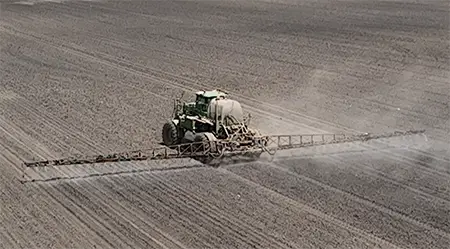
As we move into the main post-emergence spraying window, the forecast is lining up more like July than late spring. The combination of rapidly growing crops, fast-emerging weeds, and 90-degree afternoons is where post passes can either shine or stumble.
This week’s focus is on post-emergence herbicide timing in corn and soybeans and what to watch when applying glyphosate, sulfonylurea products, contact herbicides, and growth regulator herbicides in hot conditions.
Timing Still Wins
The best post-emergence pass is still about timing: hitting weeds when they are small and staying inside crop stage cutoffs.
- Aim to spray most broadleaf and grass weeds when they are 1 to 4 inches tall.
- Performance drops quickly once weeds get larger, especially under hot or dry conditions.
- Stay within all crop height, crop stage, and preharvest restrictions on the herbicide label.
The earlier the first flush is controlled, the less pressure there is to make rescue applications when both weeds and crops are stressed.
Hot Weather Changes the Game
Temperature matters more than many people think.
- Many post-emergence herbicides perform best under moderate growing conditions rather than extreme heat.
- When temperatures move above 90 degrees, risk of crop response, volatility, and reduced performance on stressed weeds can all increase.
- Mid-afternoon applications during very hot days can increase evaporation, stress on the crop, and inconsistency in weed control.
A practical goal is to avoid the hottest part of the day whenever possible.
Glyphosate and sulfonylurea herbicides depend on movement within the plant
- Under hot, dry conditions, weeds often slow down growth and movement inside the weed plant itself, which can reduce control.
- Crops under stress may also metabolize herbicides more slowly, which can increase temporary injury risk.
- Early applications on small, actively growing weeds are usually more dependable than waiting for larger weeds during a heat spell.
This is especially important in fields where weed size is already pushing the upper end of the label window.
Contact herbicides and growth regulators often become more active in hot weather
- Contact herbicides can burn weeds down quickly in hot, humid conditions.
- The same conditions can also increase leaf burn or speckling on soybeans and sometimes on corn, especially with aggressive adjuvant systems.
- Growth regulator herbicides deserve extra caution because volatility and off-target movement concerns rise as temperatures increase.
Good weed control is still possible in hot weather, but it requires tighter management of timing, adjuvants,
and spray conditions.
Spray Setup Matters
Application details become more important as temperatures climb.
- Use only the adjuvants required or allowed by the herbicide label.
- Be cautious with crop oil and Methylated Seed Oil (MSO) products during hot weather because they can increase crop response.
- Favor carrier volumes and nozzle setups that improve coverage while reducing drift and droplet evaporation.
In many cases, a little more water and a little coarser droplet can improve consistency and safety.
Best Time of Day
The best spray window is often after the morning inversion has lifted and before the hottest part of the afternoon.
- Very early morning and late evening can carry inversion risk.
- Mid-morning to early afternoon is often the best balance between active plant growth and safer spray movement.
- Continue to watch wind, humidity, temperature, and nearby sensitive crops before every load.
Better conditions for the spray job usually lead to better conditions for herbicide performance.
Three Reminders for This Week
- Spray weeds small.
- Avoid the hottest part of the day when possible, and the two inversion windows [sunrise and sunset when dew may be present].
- Follow the label closely on crop stage, adjuvants, and temperature-related restrictions.
References
- University of Minnesota Extension, “Postemergence herbicide applications in hot weather.”
https://blog-crop-news.extension.umn.edu/2022/06/postemergence-herbicide-applications-in.html - Iowa State University Extension and Outreach, “Considerations for Herbicide Applications under Hot Dry Conditions.”
https://crops.extension.iastate.edu/post/considerations-herbicide-applications-under-hot-dry-conditions - Kansas State University Agronomy eUpdate, “Herbicide applications and high temperatures.
https://eupdate.agronomy.ksu.edu/article_new/herbicide-applications-and-high-temperatures-499-2