Season 2, Episode 4
2026 Mideason Crop Outlook: Getting In Your Fields Before Harvest
The growing season is entering one of its most important stages and the decisions we make now can have a lasting impact come harvest.
In this episode, Max is joined by Karl Bobholz, our Corn Product Manager, and Jim Torkelson, our Western Sales Lead, for a midseason report. Together, they discuss how this year’s planting conditions, weather patterns, and growing environment are shaping crops across the Midwest.
Fast Planting—Except Michigan!
Across the Midwest, planting was off to a fast start thanks to a stretch of great spring weather and big equipment getting the job done quickly. Every state was ahead of schedule except Michigan, which lagged slightly behind. Both corn and beans hit the ground in record time, but simultaneous planting of beans and corn might have led to some replanting in areas with cool, wet soil.
Weather: A Game of Extremes
Spring brought a mix of dry and wet conditions, and the weather continued to play a major role as the season progressed. Corn crops saw stretches of cool and hot weather, uneven emergence due to dry soils, and rapid vegetative growth outpacing root development. Recent heavy rains in some regions have led to further variability, with some fields getting up to seven inches of rain in a single night.
Spring brought a mix of dry and wet conditions, and the weather continued to play a major role as the season progressed.
Crop Progress and Challenges
- Corn: Generally looking good from the road, but nitrogen deficiency and uneven stands are showing up inside the fields. Fast mineralization this year means nutrients were released quickly, but heavy rains have moved them deeper into the soil, challenging root systems to catch up.
- Soybeans: Beans prefer warmer soils at planting. Cool temperatures and crusted soils led to some replanting, but beans are known to compensate for early setbacks better than corn.
Disease Watch
- Southern Rust: Not expected to be a major problem this year due to lack of inoculum and prevailing wind patterns.
- Tar Spot & Northern Leaf Blight: Present at low levels, especially in areas with irrigation or recent hail damage. Hot weather has slowed disease development, but vigilance is key.
- White Mold & SDS in Beans: White mold risk is up in fields with dense canopies and ample moisture. Sudden Death Syndrome (SDS) could appear in compacted, wet fields later in the season.
Insect activity has been relatively quiet, but oddities like slugs and swarms of June bugs have popped up in isolated areas.
Pest Pressure
Insect activity has been relatively quiet, but oddities like slugs and swarms of June bugs have popped up in isolated areas. No-till fields have seen more slug activity, while grub damage has drawn attention in some cornfields.
Actionable Insights for Growers
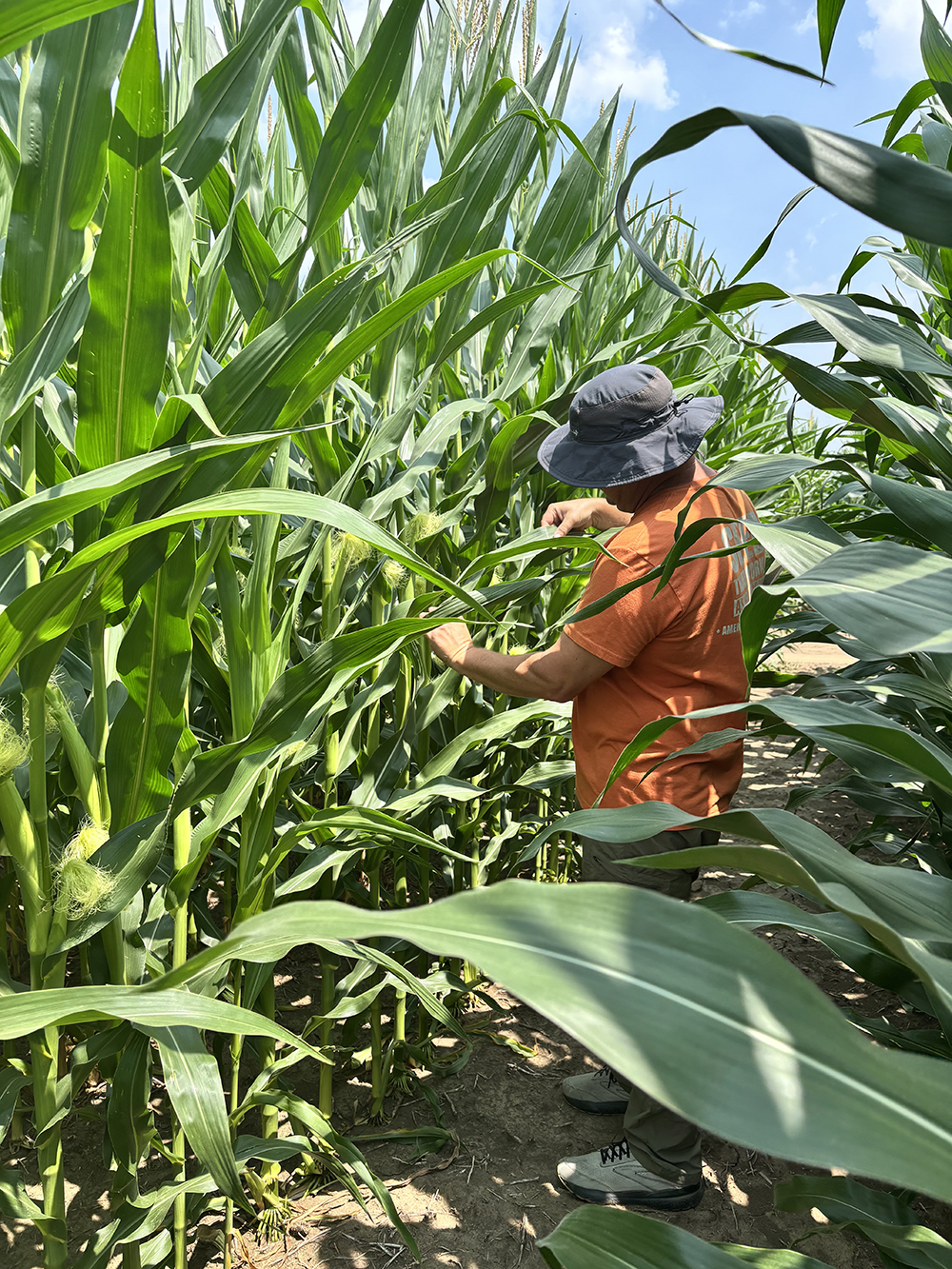
- Scout, Scout, Scout: Walking your fields is the best way to spot early issues and separate top performers from the rest. Look for nutrient deficiencies, disease symptoms, and pest pressures.
- Targeted Treatments: Apply fungicides only where economically justified—focus on diseases above the ear leaf and fields with hail or wind damage.
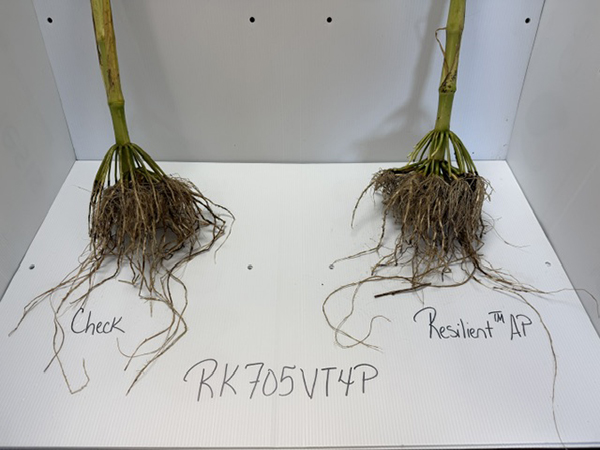
- Planter Innovations: New biological seed treatments like ResilientTM AP offer added protection against crown rots and can enhance emergence and vigor.
- Harvest Planning: Prioritize fields showing crown rot or white mold for early or late harvest, respectively, to preserve yield and prevent future problems.
Takeaways from the Field
Jim reminds growers: “You can’t fix a nitrogen deficiency with an overtop application if it’s a root problem. Economics matter—What’s my ROI on this?” Karl adds: “Growers are out there scouting the fields, understanding what the corn, the soybeans are telling them and managing to that – [those] are the ones that are separating themselves from being just good.”
You can’t fix a nitrogen deficiency with an overtop application if it’s a root problem...
Final Word
From nutrient availability and disease pressure to crop scouting and insect activity, Karl and Jim shared what they’re seeing in the field and what growers should be paying attention to as harvest approaches. Along the way, they shared practical recommendations for prioritizing field visits, evaluating risk, and making management choices that can maximize your return on investment. One thing is for sure: a successful crop isn’t just about the work you do from the tractor seat. It’s about walking your fields, understanding what your crop is telling you, and making informed decisions for a strong yield.
Thanks for reading! Tune in to the full episode, Renk Seeds of Innovation to hear the full update—and keep walking those fields!
Subscribe to the Renk Seeds of Innovation podcast and follow along as we celebrate the people in agriculture. You can find us on one of our social media channels: FB, Insta, X or LinkedIn. And, listen to the full episode on whichever streaming platform you prefer.

