Pro Farmer Crop Tour Recap 2026
The Pro Farmer Crop Tour is officially in the books, and if you’ve been hearing insight from this tour on TV or social media, you already know the story: corn backed off last year’s record pace, but soybeans are hanging tough and could still set a new high. Here’s what we’re seeing, why it’s shaking out this way, and what it means as we start turning the page toward harvest.
What the Tour Found
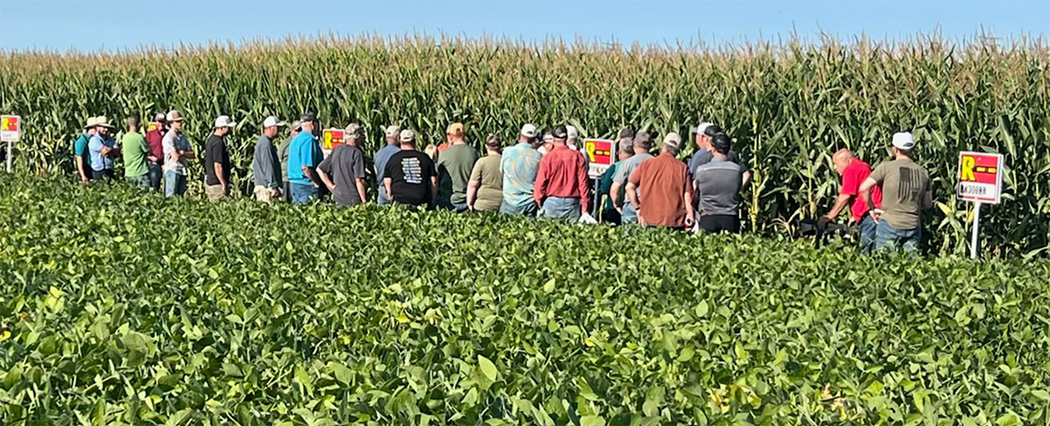
Scouts wrapped their seven-state run in Rochester, Minnesota, and the takeaway was pretty simple — corn is down from 2025 almost across the board, while beans are holding up well and might still notch a national record. Pro Farmer’s national corn number came in at 173.2 bu/acre, about 7.5 bushels below USDA’s 180.7 estimate, for a crop of roughly 15.344 billion bushels. Soybeans are pegged at 53.3 bu/acre nationally, good for a 4.572-billion-bushel crop — above USDA’s own number and a potential record if it holds through harvest. Tour leader Chip Flory summed it up well: “Everything is down from a year ago… except for Minnesota soybean pod counts.”
Why This Year Looks Different
Early-season stress is really the story here. Cool, wet conditions and delayed planting set corn back on ear counts and grain length, and that kind of early-season hit doesn’t get made up later. Soybeans had an easier path — with more time to fill pods once conditions improved later in the summer, which is why beans are outperforming corn relative to both last year and the recent average. South Dakota took the hardest hit of the tour, with real heat stress showing up in both crops. Illinois stood out as one of the few areas down from both 2025 and its own three-year trend — a tougher combination than most states saw. Iowa and Minnesota corn, by contrast, came in below last year’s record but still landed above their three-year averages, so there’s real quality in those fields even without a repeat of 2025.
Worth mentioning to growers who might be going off USDA’s numbers alone: the Tour’s actual field counts and USDA’s survey-based estimates don’t always agree. Ohio’s USDA number implied a slight increase from last year, but the Tour’s pod counts showed a 7% drop, and South Dakota had a similar gap between the two data sets. If you are working off USDA’s more optimistic figures, it’s a good time to walk and see what is showing up in your fields.
What This Means for Renk Growers
This is shaping up to be a year where hybrid and variety selection really show their value — the fields that held up best through early stress were the ones with strong stress tolerance and root development going into pollination. It’s a good reminder heading into fall plot walks and next year’s seed conversations that genetics built for resilience, not just top-end yield in a perfect year, are what separate a good year from a great one when the weather doesn’t cooperate.
Heading Into Fall – What We’re Watching
- Get out and walk fields now, before harvest: ear counts and stand checks in-season help you understand what your crop looks like, and you can start to create your fall plan (yes, a plan never is perfect, but it’s a start).
- Lean into what your crop is telling you; both for corn and soybeans, there is some late-season disease and moisture stress showing, both dry and wet conditions, and what does that mean at the end?
- Pay extra attention to fields in areas that lagged their three-year average – worth digging past “just weather” to see if disease, fertility, or drainage played a role too. The role of fertility is an area that one can question: What is the true cost of cutting back? [2027 looks to be another higher-than-average cost.]
- Start pulling yield and moisture checks, especially if you are planning on chopping corn for silage, as many reports of whole plant moisture are below 70%, which is “Go Time!” (Reminder: especially in stress fields, that moisture will change greatly across that field.)
- Keep notes now on what performed above expectation this season – this is exactly the kind of insight that shapes next year’s product recommendations but should not be the only part of the recommendation. One-year wonders also happen in the stress years.
References
- “Corn Falls Short of Last Year’s Record, But Soybeans Eye New Highs.”
- Pro Farmer. “Pro Farmer Estimates 2026 U.S. Corn Crop at 15.344 Billion Bushels, Soybeans at 4.572 Billion Bushels.”
- Pro Farmer. “First Thing Today: Crop Tour Finds Lower Yields in Ohio, South Dakota.”