
Corn Drydown: What to Expect as We Head into Fall
As we move away from warm days and into more typical fall weather, corn can lose moisture surprisingly fast under the right conditions. The calendar, temperature, humidity, and wind will determine how long it takes to reach harvest moisture.
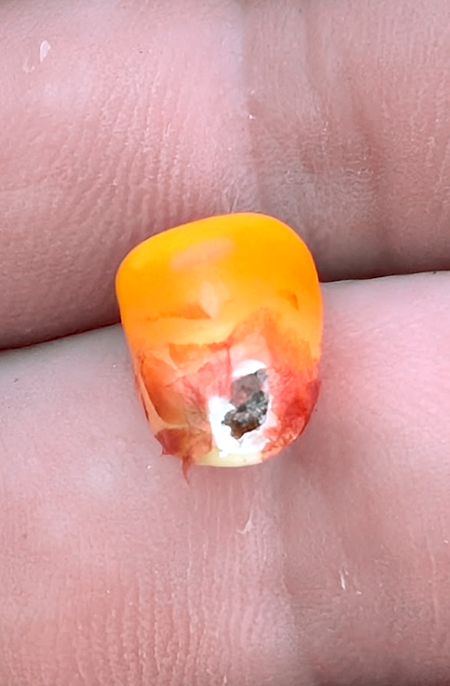
Once kernels reach black layer, they have reached physiological maturity. Grain is no longer adding dry matter. From that point forward, the goal is simply getting water out of the kernel. The weather does most of that work.
Warm, Sunny, Breezy Days Help
Early in the harvest season, corn dries about 0.75 to 1 percentage point of moisture per day when conditions are warm, sunny, dry, and breezy. A field at 25% moisture may reach 20% in roughly a week under a favorable stretch of weather.
It is possible to see more than one point of drydown per day for several days when temperatures are warm, humidity is low, and there is plenty of sunshine and wind. Wind does help move humid air away from the ear and husk, but it is part of the package—not a standalone answer. A cool, windy day will not dry corn like a warm, sunny, low-humidity day.
Temperature and humidity remain the biggest drivers. Warm air can hold more moisture, so it has more drying potential. Lower humidity gives moisture a place to go. Sunshine warms the ear and helps move moisture from the kernel. Rain, clouds, dew, and high humidity can slow or temporarily stop drydown.
One reminder: drydown is not always steady from one day to the next. Corn may lose moisture quickly through a good weather window, then hold nearly unchanged through several cool, damp days.
Fall Changes the Pace
As average temperatures slide lower, the daily rate of drydown usually slows. Research and Extension guidance commonly puts early- to mid-October drydown closer to 0.5 to 0.75 points per day. By late October and early November, 0.25 to 0.5 point per day is a more realistic expectation. Once temperatures stay cool and days become shorter, waiting for a big moisture drop can become an expensive gamble.
This does not mean every field should come out early. It does mean moisture should be checked regularly instead of relying on how dry the husks look from the road. A field that moves from 23% to 21% quickly may take much longer to get from 19% to 17% as weather cools and the remaining kernel moisture becomes harder to remove.
Hybrid and ear characteristics also matter. Loose husks, fewer husk leaves, and less coverage over the ear tip can support faster field drydown. However, when weather is favorable, most hybrids tend to dry at similar rates. Hybrid differences become more noticeable when conditions turn cool, cloudy, and damp.
Harvest Decisions Still Matter
A good drying forecast is useful, but it should not override field risk. Corn with weak stalks, ear rots, lodged plants, or ear drop concerns should move up the harvest list—even if it is still a few points wetter than the preferred target.
The cost of dryer fuel is easy to see. The cost of waiting can show up as dropped ears, harvest loss, slower combining, and difficult fields after a wind event. In many cases, taking vulnerable corn at 20% to 25% moisture and drying it is the better business decision than waiting for every point of field drydown.
A practical approach is simple:
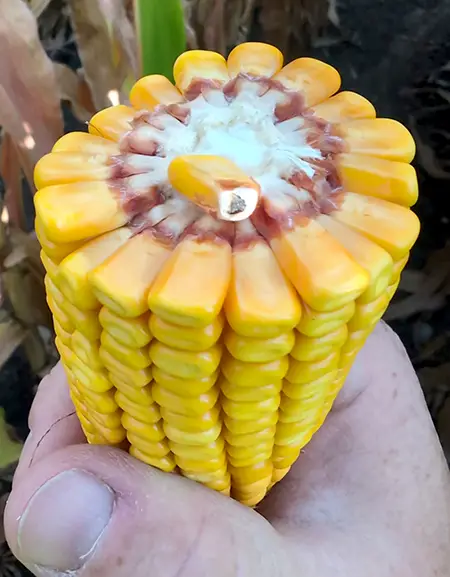
- Pull representative ear samples and check moisture at least weekly as black layer approaches.
- Watch the 5- to 10-day forecast for warm, dry, breezy windows.
- Expect daily drydown to slow as normal fall temperatures settle in.
- Let stalk quality, ear retention, and lodging risk help set harvest order.
- Do not assume corn below 20% will continue drying quickly enough to justify additional field exposure.
Take Home
Weather drives corn drydown. The best conditions are warm, sunny, low-humidity, breezy days. As we transition into normal fall temperatures, expect the pace to slow. Use moisture checks and field conditions together: strong-standing fields can wait for a favorable drying window, while fields with stalk or ear concerns should be harvested before weather makes the decision for you.
References
- Nielsen, R. L. (2018). Field Drydown of Mature Corn Grain. Purdue University Agronomy. https://www.agry.purdue.edu/ext/corn/news/timeless/graindrying.html
- Thomison, P. (2017). Cool Weather and Corn Dry Down. Ohio State University Agronomic Crops Network.
https://agcrops.osu.edu/newsletter/corn-newsletter/2017-30/cool-weather-and-corn-dry-down - Archontoulis, S., & Saenz, E. (2025). The Corn DryDown Calculator: A Tool to Guide Harvest Timing. Iowa State University Extension and Outreach.
https://crops.extension.iastate.edu/post/corn-drydown-calculator-tool-guide-harvest-timing