Season 1, Episode 4 Midseason Reality Check: Managing Disease, Insects, and Crop Stress in 2025
This episode brings a timely field-level update from across the Corn Belt as the crop enters its reproductive stages. Max Renk is joined by Renk team members Jim Torkelson and Karl Bobholz to break down what’s being seen in real-time across the Renk territory. From Tar Spot and Goss’s Wilt to Soybean Cyst Nematodes and Japanese Beetles, tune in to hear how early-season weather has influenced disease and pest pressure during the 2025 growing season. The team also shares actionable tips on fungicide timing, insecticide considerations, crop scouting, drone insights, and how current observations can shape seed selection and field planning for 2026.
Taking Our Research to New Heights
At Renk, we’re committed to delivering products that perform—and that starts with how we evaluate them.
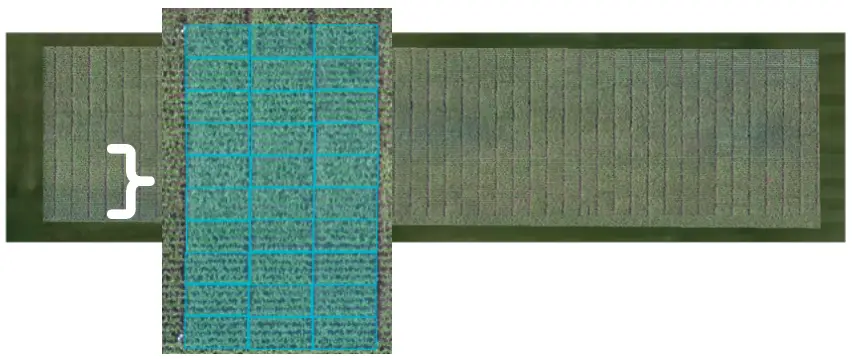
This season, we’ve taken our research to new heights by expanding the use of drone imagery across our corn testing network. These high-resolution visuals give us a fast, consistent, and field-wide look at every stage of crop development—from emergence to late-season stress—and help us track disease pressure.
Here’s how this technology is helping us serve you better:
Emergence and Stand Uniformity: Drones allow us to quickly assess emergence consistency across entire plots. That means we can better evaluate hybrid vigor and placement potential early in the season—long before tassel.
Disease Monitoring Across Environments: From gray leaf spot and northern corn leaf blight to Tar Spot, drone imagery helps identify disease pressure early. We can evaluate hybrid tolerance and flag which products maintain plant health under real-world, high-pressure scenarios.
Stress Tolerance, Even on Tough Acres: Drones help us spot differences in hybrid performance under stress—like drought, compaction, or high pH soils common in western territories. That means more precise recommendations for tough fields where every bit of tolerance matters.
Drones help us spot differences in hybrid performance under stress—like drought, compaction, or high pH soils common in western territories.
Data That Drives Placement Decisions: We’re using these images to make more informed product calls—knowing which hybrids thrive under specific conditions and which need more managed acres.
Fungicide Timing and Application Support: Earlier disease detection supports smarter, more cost-effective fungicide strategies for both trial analysis and in-field grower decisions.
At Renk, we’re using every tool available to make sure our product recommendations are backed by real data, from real fields—just like yours.
At Renk, we’re using every tool available to make sure our product recommendations are backed by real data, from real fields—just like yours. Drone imagery is one more way we’re turning research into results.
Brewster, MN June 26, 2025; base image shows the 5 acre research location, at this location we are looking at 105-115 RM corn products that are in early testing 1200 products and 600 final stage products are put up against the current Renk line-up along with key competitor checks, the zoomed in shows the 105 RM set.