ARTICLES

Seed Craftsmanship: Producing Seed That Farmers Can Trust

Season 1, Episode 7 
Seed Craftsmanship: Producing Seed That Farmers Can Trust

Producing seed that our farmers rely on is more than just planting. It’s a craft built on precision and care. In this episode of Renk Seeds of Innovation, Max Renk sits down with Brett Renk to share how we ensure every seed you plant meets the highest quality standards.

As Brett shares, “almost right” isn’t good enough in seed production. From planting rows with precision to managing pollination and detasseling, every step is critical. And it starts right when it goes into the ground. Max and Brett also explore how harvest timing, handling, and the drying process protect seed quality to make sure you have the highest performance potential for the year ahead.

Whether you’ve driven by our corn fields or wondered what goes into the seed you buy from Renk Seed, this episode dives into why we believe craftsmanship is the key to confidence in the field.

The Foundation: Planting for Success
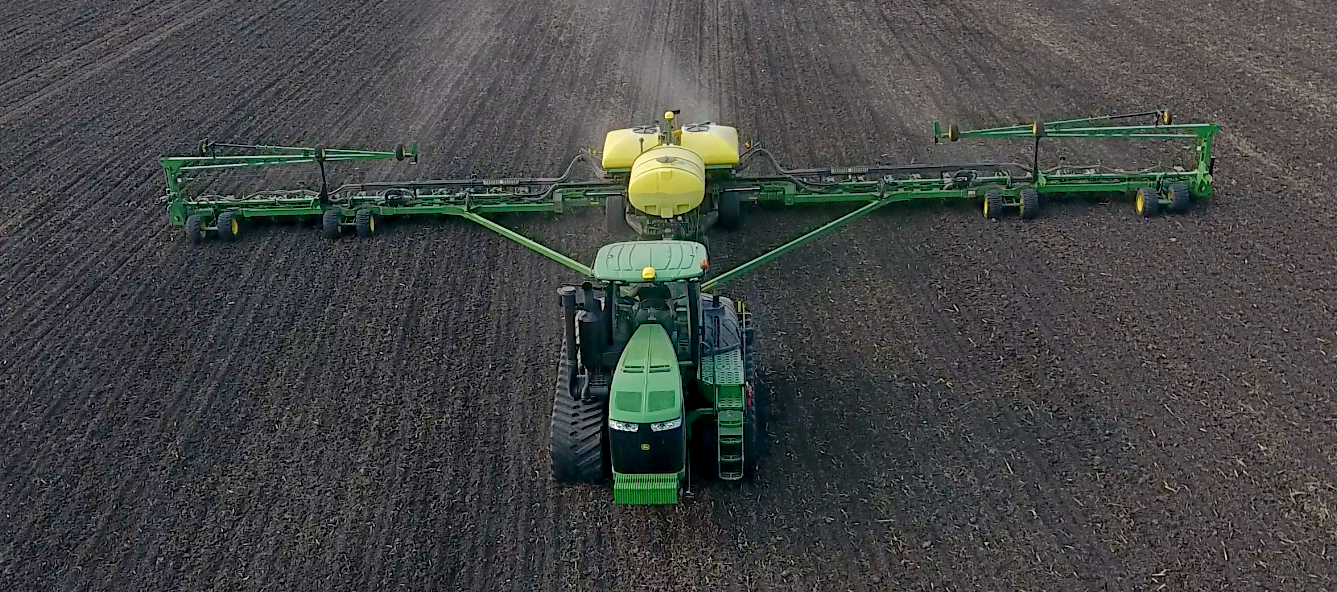
Planting may sound simple, but as Brett points out, it’s the foundation of the entire seed production process. Unlike typical corn crops, seed production relies on meticulous detail. Seed fields are planted with both female and male rows—four rows of females to one male row—to ensure proper hybridization. Precision is critical; even with modern GPS, mistakes can happen, so Renk Seed uses detailed checklists, much like airline pilots, to ensure every step is followed. As Brett says, “Doing it almost all right isn’t the same as doing it all right.” Every detail, from planting depth to row alignment, impacts the quality and yield down the line.

Doing it almost all right isn’t the same as doing it all right.

corn planting spring The Challenge of Inbreds
Seed production uses inbred lines, which naturally yield far less than commercial hybrid corn. Where a typical cornfield might produce high bushels per acre, inbred lines are finicky. When Brett began his seed production career, yields were about 40 bushels per acre. Modern breeding has pushed that number higher, and our farm now considers yields under 65 bpa unviable. Good pollination is key, but even the best practices can only do so much; the ceiling on inbred yield is set by genetics, while poor management can quickly make things worse.
Timing is everything: cut too early and you risk removing essential leaf area right at pollination, impacting yield.

Detasseling: Precision and Timing
Detasseling is one of the most crucial and delicate steps in the process. Since corn plants have both male (tassel) and female (ear) parts, detasseling prevents self-pollination and ensures the right hybrids are created. Timing is everything: cut too early and you risk removing essential leaf area right at pollination, impacting yield. Brett describes a 3-part process. First, a machine cuts the advanced tassels. Then, a couple of days later, a machine pulls tassels that have emerged in the meantime. Finally, a team walks the field to catch any stragglers. The goal is to do enough to ensure purity, but not so much that the plant is damaged, as every leaf counts towards yield.

harvesting corn in field

Harvest: It’s All About the Seed
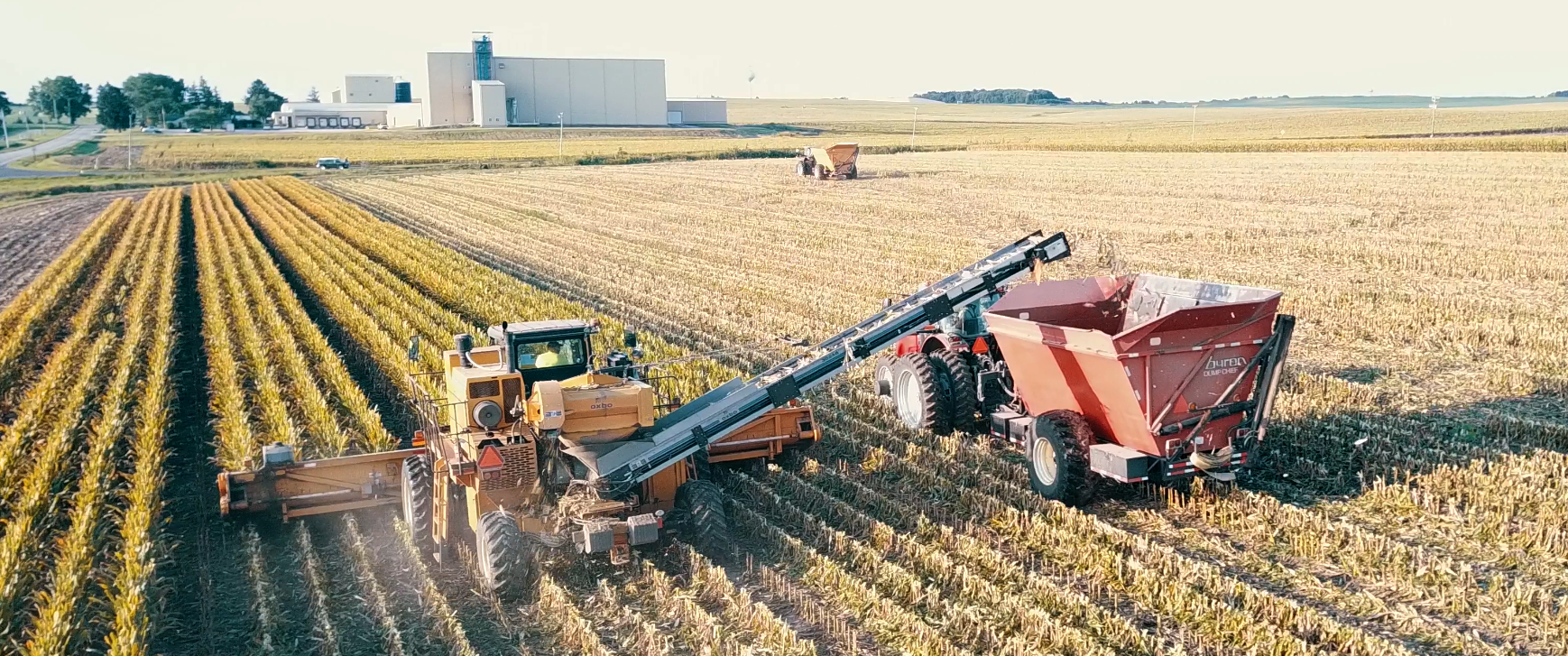
Harvesting seed corn is very different from harvesting grain. Seed is picked on the ear, and ideally while it is still a bit wet (around 32-40% moisture) to maintain quality. Any off-type or low-quality ears are culled—a local farmer even collects these for use as cattle feed, ensuring nothing goes to waste. Each ear is husked and dried slowly with low-temperature air to avoid damaging the embryo. Brett’s philosophy is “slow and steady”: drying too fast or at too high a temperature risks damaging the seed, so Renk Seed opts for a conservative approach. Using a two-step drying process to evenly and gently bring moisture down allows Renk Seed to aim for about 11% moisture so the seed can be safely stored long-term.

Storage and Processing
Once dry, the seed is shelled gently to avoid damage, then cleaned and sorted. The storage facility is designed to keep the seed cool and dry, minimizing risk of spoilage or mold. Before sale, the seed is treated with protective products, which adds a bit of moisture back, so starting with very dry seed is key to maintaining quality throughout the process.

Quality, Every Step of the Way
From planting to harvest, every step in the seed production process at Renk Seed is managed with care and attention to detail. As Brett notes, “Every little piece of the puzzle adds up.” It’s this commitment to quality and precision that ensures farmers can trust what’s in the bag when they plant Renk Seed.

Every little piece of the puzzle adds up.

Our 2025 seed corn harvest is complete. That means the corn is now in the storage phase. Tune in to Part II to learn what happens next here at Renk Seed.